
Fall Foliage on Private Land: New England and Blue Ridge Stays




Room to Roam is your guide to RV travel adventures off the beaten path. Learn how to turn your land into a money-making opportunity by hosting RVers seeking unique, off-grid escapes. Get tips on RV hosting, chat with fellow hosts and RVers, and discover the latest on RV life from the CurbNTurf community.
Popular articles

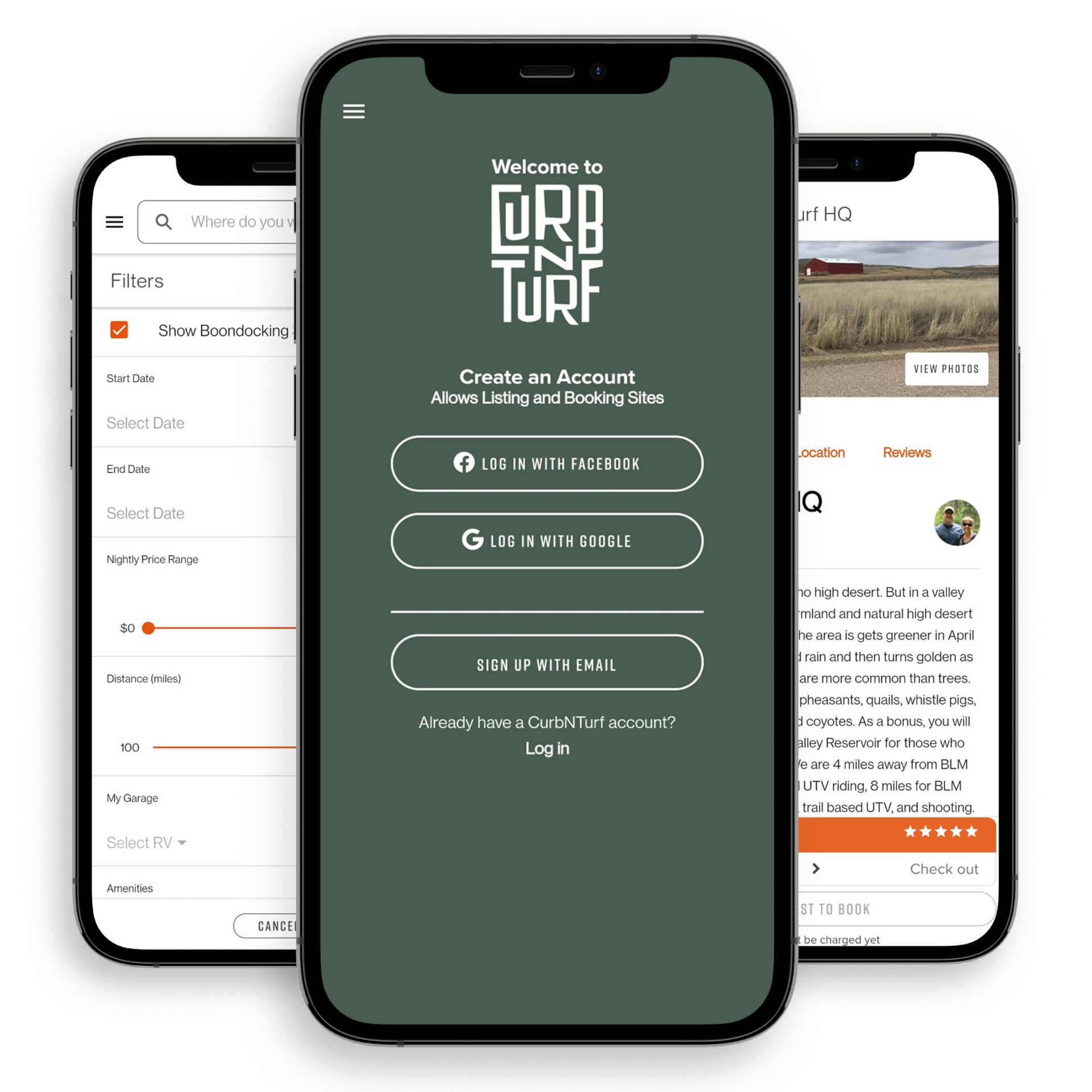
FREE TO DOWNLOAD, FREE TO USE.


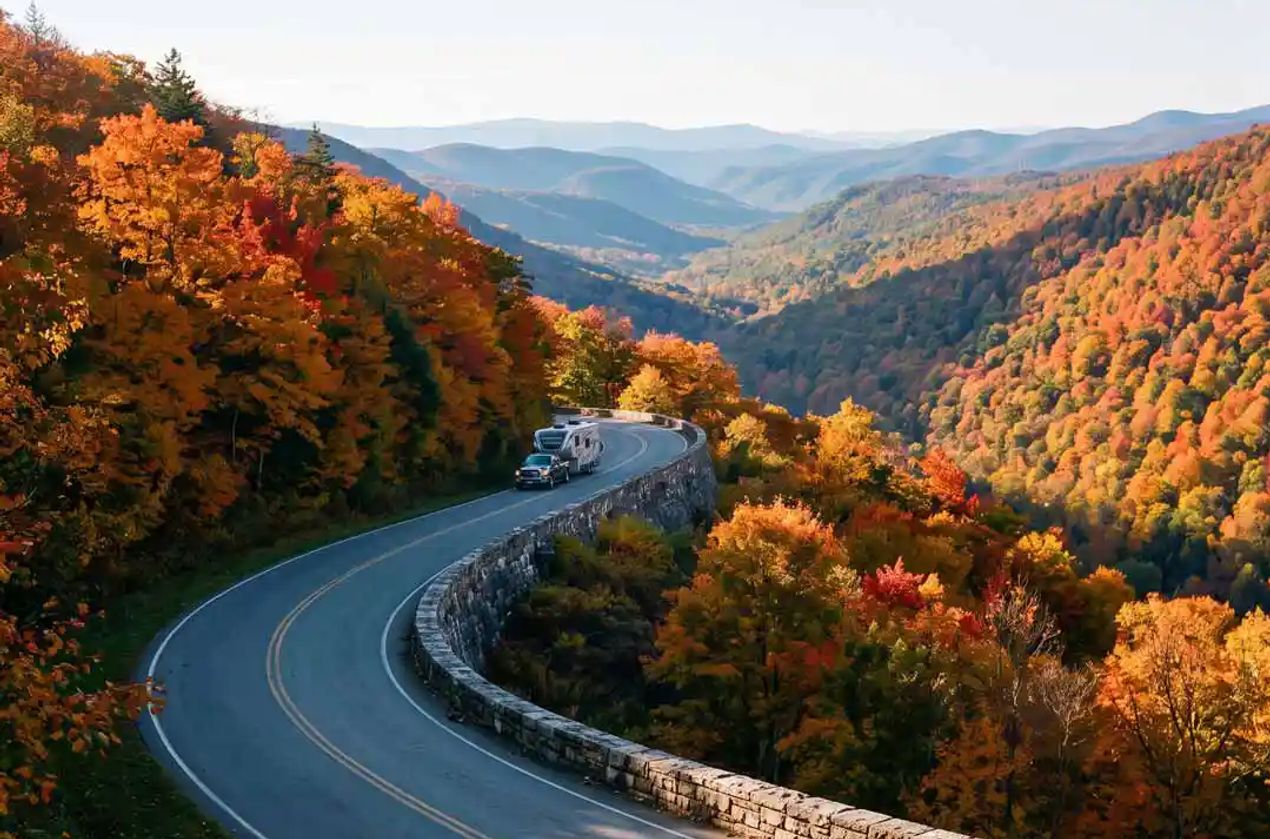
Hey there, fellow traveler! Leaf season is the one trip where timing is everything. Show up a week early and you are looking at green. Show up a week late and you are looking at bare branches and brown leaf litter. According to the Old Farmer's Almanac, peak color in any given location lasts only seven to ten days.
That narrow window is exactly why fall foliage trips are so hard to book and so rewarding when you get them right. Here is how the color actually moves across the two best leaf-peeping regions in the country, and why a private land base camp is the single best way to chase it.
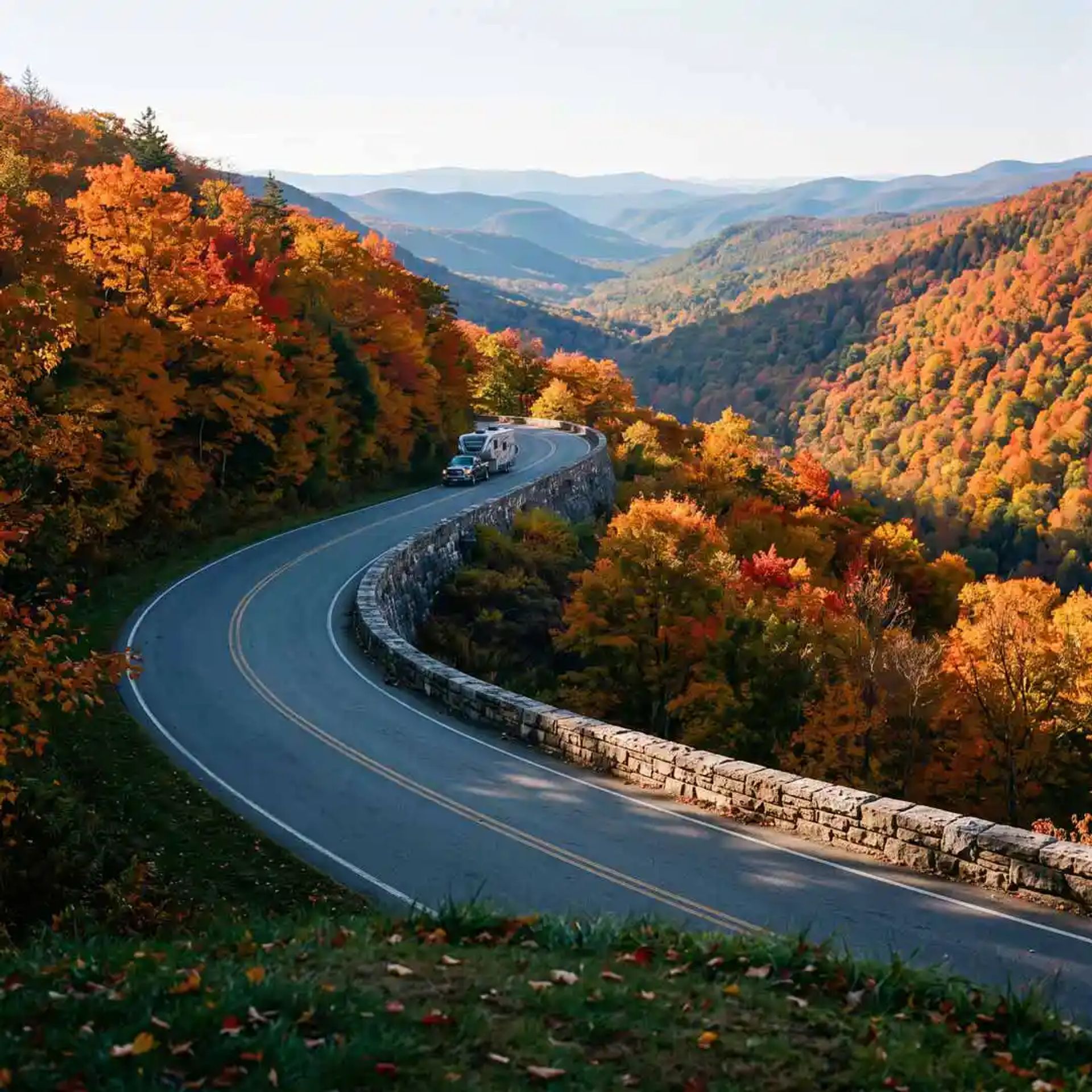
The Booking Problem Nobody Warns You About
Fall foliage is not a quiet shoulder season. It is peak season with a much shorter runway.
New Hampshire alone drew roughly 3.7 million visitors during fall 2025, with estimated visitor spending around 1.8 billion dollars. Western North Carolina sees similar pressure, and local guides are blunt about what that means for lodging: October weekends in the region sell out fast, sometimes by August.
Now add the timing problem. Because peak lasts barely a week in any one spot, everyone is trying to book the same handful of weekends in the same handful of towns. Campgrounds in Vermont, New Hampshire, and western North Carolina fill months ahead for exactly the dates you want.
Private land solves this in a way commercial campgrounds cannot. There are far more farms, orchards, and rural properties in leaf country than there are campgrounds, and most of them are not on anyone's booking radar. Our article on the campground crunch covers why that supply gap keeps widening.
How the Color Actually Moves
Two things drive foliage timing: latitude and elevation. Understanding both is the difference between hitting peak and missing it.
Latitude moves the color north to south. Elevation moves it top to bottom. A mountaintop at 5,000 feet will peak weeks before a valley floor twenty minutes away. That is not a nuisance. It is your biggest advantage, because it means you can park in one place and drive to whatever elevation is peaking that week.
New England: Late September Through Early November
Northern New England (Maine, Vermont, New Hampshire). Color arrives in northern Maine and Vermont's Northeast Kingdom in late September. The White and Green Mountains typically peak the first week or two of October. Serious leaf-peepers generally say real color does not start until around September 25, so be skeptical of any source promising peak in early September.
Southern New England (Massachusetts, Connecticut, Rhode Island). These states run considerably later, generally mid-October into the first week of November. The Berkshires in western Massachusetts are a standout, with the higher elevations turning ahead of the valleys.
If you only have one window, the first three weeks of October covers the deepest, most reliable color across the northern three states.
Where to base. The Kancamagus Highway, Route 112 through New Hampshire's White Mountains, is widely considered the premier foliage drive in the state. Farm properties in the surrounding valleys put you close to it without competing for the same lodging everyone else is fighting over. Vermont's dairy country and Maine's western mountains offer the same advantage.
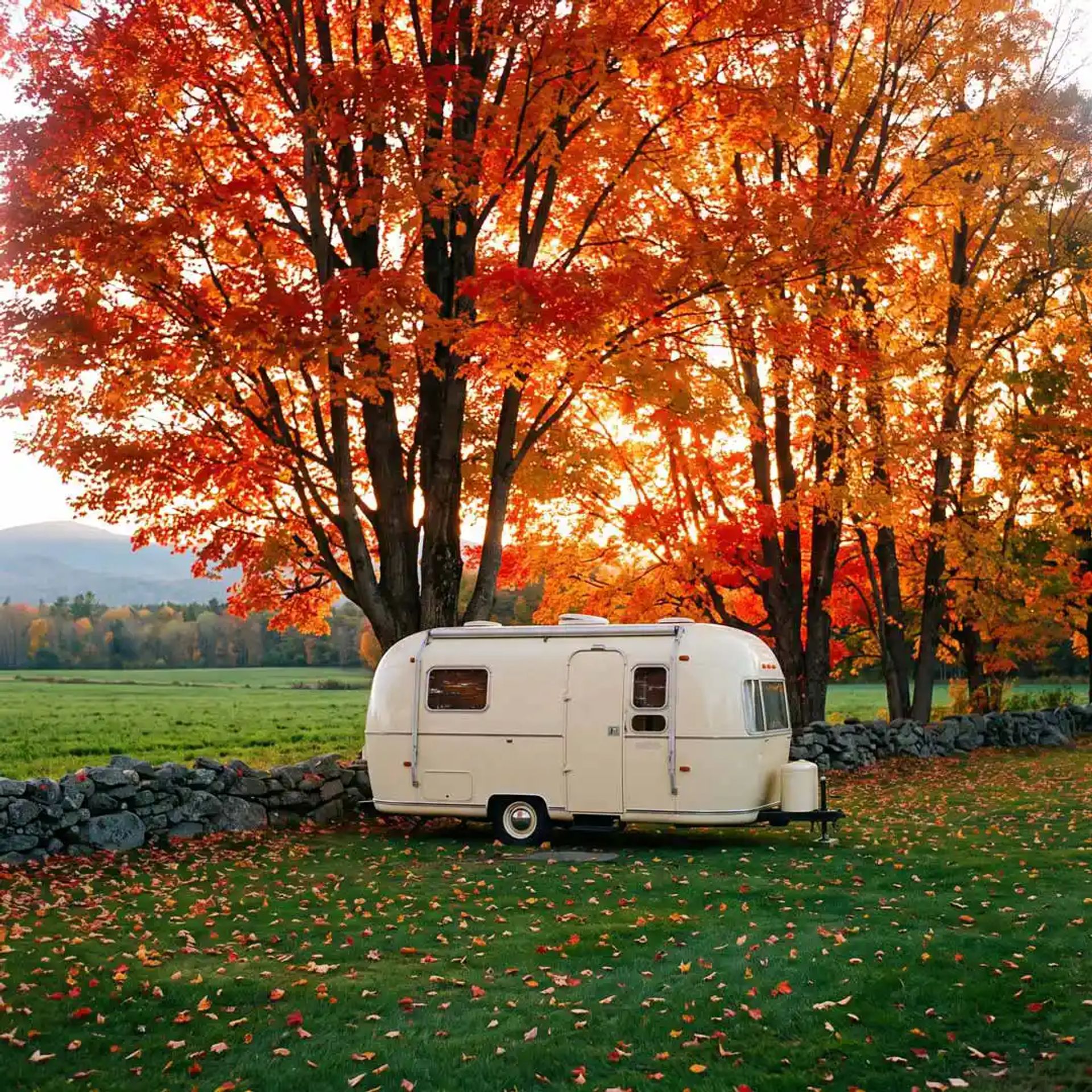
Blue Ridge and Great Smokies: Five Weeks of Color
This region deserves more attention than it gets from RVers, because the elevation range makes it the most forgiving foliage destination in the country.
The Blue Ridge Parkway runs 469 miles, from under 650 feet at the James River in Virginia to over 6,000 feet near Mount Pisgah in North Carolina. That range means color cascades downhill for roughly five weeks. Here is how it typically unfolds:
Late September to first week of October, above 5,000 feet. The high balds turn first. Graveyard Fields at Milepost 418.8 is consistently among the earliest high-profile spots to peak. Waterrock Knob at Milepost 451.2 has the highest visitor center on the Parkway at 5,820 feet, with views across the Great Balsams and Smokies.
Second week of October, 4,000 to 5,000 feet. This is the famous window. Most of the Parkway's scenic sections, Mount Mitchell at 6,684 feet (the highest peak east of the Mississippi), Craggy Gardens, and the higher elevations of Great Smoky Mountains National Park.
Third week of October, 3,000 to 4,000 feet. The color settles into the mid-elevations.
Late October into early November, 1,000 to 3,000 feet. Asheville, Brevard, Hendersonville, and the surrounding valleys. Oak, hickory, and yellow poplar hold color longest down here.
The National Park Service notes that at the highest Smokies elevations the climate is similar to New England's, with yellow birch and American beech beginning to turn as early as mid-September.
Where to base. Farm and orchard properties in the valleys around Asheville, Boone, Waynesville, and the Virginia foothills put you within driving distance of the whole elevation range. Park once, then drive up or down depending on what is peaking. Our article on private stays near national parks covers the same gateway strategy for the western parks.
Why Private Land Wins in Leaf Season Specifically
You can book the region instead of the exact spot. Since peak timing shifts with weather every year, locking yourself into a campground at a specific elevation is a gamble. A private property in the valley lets you drive to whatever elevation is peaking that week.
Orchards are at their best. Leaf season is apple season, and many CurbNTurf hosts in both regions run working orchards. Staying somewhere you can pick fruit in the morning and drive a ridge road in the afternoon is a better trip than a numbered campground site. Our Seasonal Agritourism calendar maps out what is harvesting when, and our article on one-pot meals from a host's farm stand has recipes for exactly this situation.
The views are the property. In leaf country, a farm on a hillside is a foliage destination in its own right. You do not need to drive anywhere to have a good morning.
Fewer people. The single biggest complaint about foliage trips is traffic and crowds. Overlook parking along the Parkway disappears fast on October weekends. Waking up outside the tourist corridor and getting an early start is the whole game.
Practical Planning Notes
Book early, then stay flexible. Reserve your stay months ahead, but plan your daily drives based on current conditions. Both regions publish weekly foliage reports during the season.
Expect cold nights. Mountain elevations in October regularly drop into the 30s. Confirm your heating setup and check whether your site has shore power before you commit. Our guide on decoding power, water, and connectivity explains what each listing amenity means.
Drought changes everything. Dry summers produce muted color and early leaf drop. Check regional conditions in late summer before finalizing plans.
Weekdays are dramatically better. If you have any schedule flexibility, a Tuesday on the Kancamagus or the Parkway is a completely different experience than a Saturday.
Cell service is limited in much of both regions. Download maps before you go.
Ready to Chase the Color?
Fall foliage is the trip most likely to be ruined by bad logistics and most rewarded by good ones. The color window is short, the crowds are real, and the lodging in both regions is booked by travelers who planned earlier than you did.
Private land is where the remaining capacity actually lives. Farms and orchards throughout Vermont, New Hampshire, Maine, western North Carolina, and the Virginia Blue Ridge are hosting travelers on properties that are themselves worth waking up on.
Open the CurbNTurf map, search the region you want, and book your base camp before the good dates are gone. If this is your first time, our step-by-step booking guide walks through the process.
Keep Reading
- Seasonal Agritourism: A Calendar of Harvest-Based RV Stays to plan around apple and pumpkin season.
- The Campground Crunch: Why Your Next Best Stay Isn't on a Map for why peak-season lodging keeps tightening.
- Booking Around Festivals and Events: When Campgrounds Sell Out for planning around high-demand windows.
- 5 One-Pot Meals Using Ingredients from Your Host's Farm Stand for cooking with fall harvest.
- Beyond the Crowded Campgrounds: Your First CurbNTurf Booking Guide to book your first stay with confidence.