
Boondocking vs. Moochdocking vs. CurbNTurf: What's the Difference?




Room to Roam is your guide to RV travel adventures off the beaten path. Learn how to turn your land into a money-making opportunity by hosting RVers seeking unique, off-grid escapes. Get tips on RV hosting, chat with fellow hosts and RVers, and discover the latest on RV life from the CurbNTurf community.
Popular articles

FREE TO DOWNLOAD, FREE TO USE.


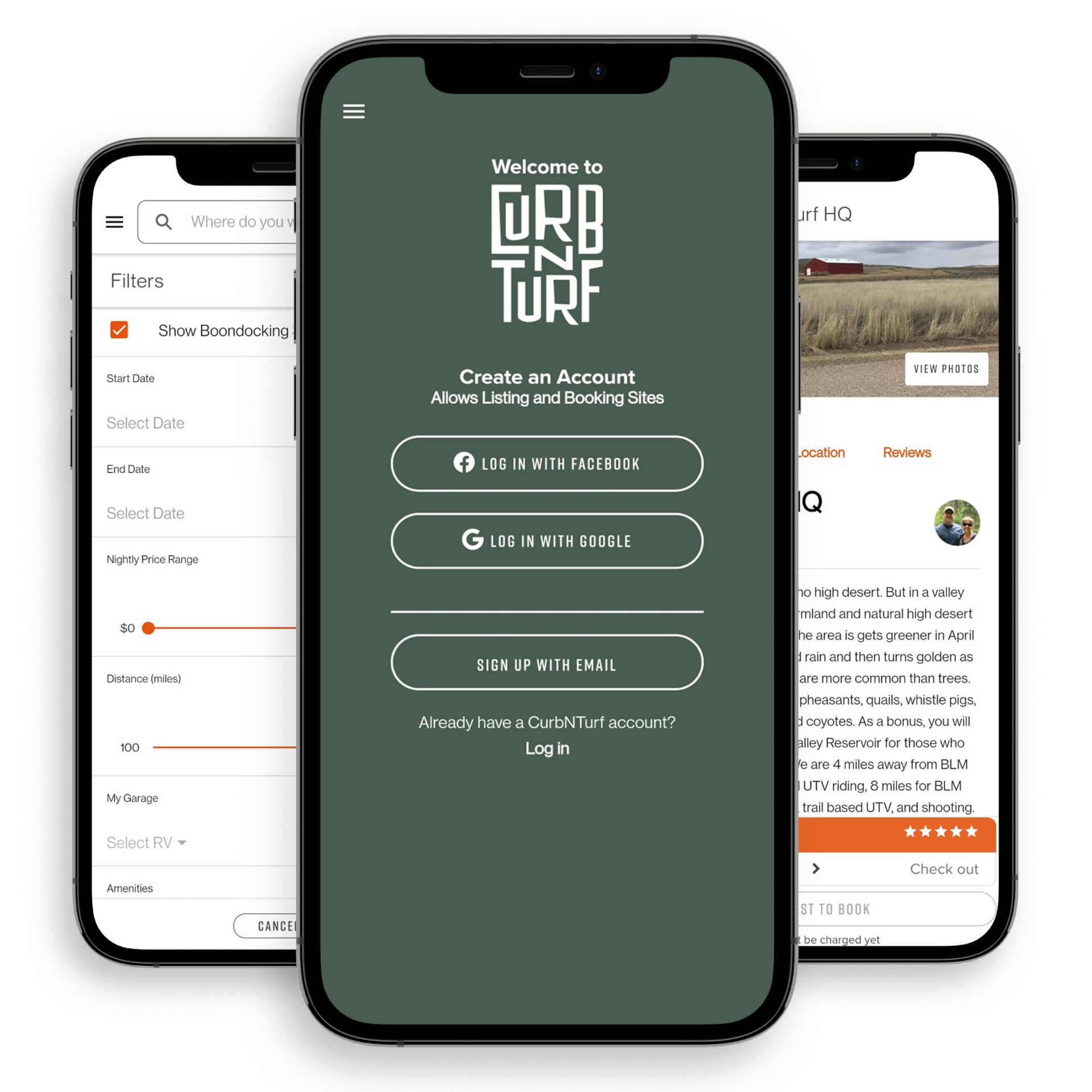
Hey there, fellow traveler! If you have spent any time in RV forums, you have run into a wall of slang that nobody bothers to define. Boondocking. Moochdocking. Dry camping. Driveway surfing. Dispersed camping. They get used interchangeably, they do not actually mean the same thing, and the differences matter a lot when you are trying to figure out where you are sleeping tomorrow night.
Here is a clear breakdown of the three main ways to park on something other than a commercial campground, what each one actually costs you, and when each makes sense.
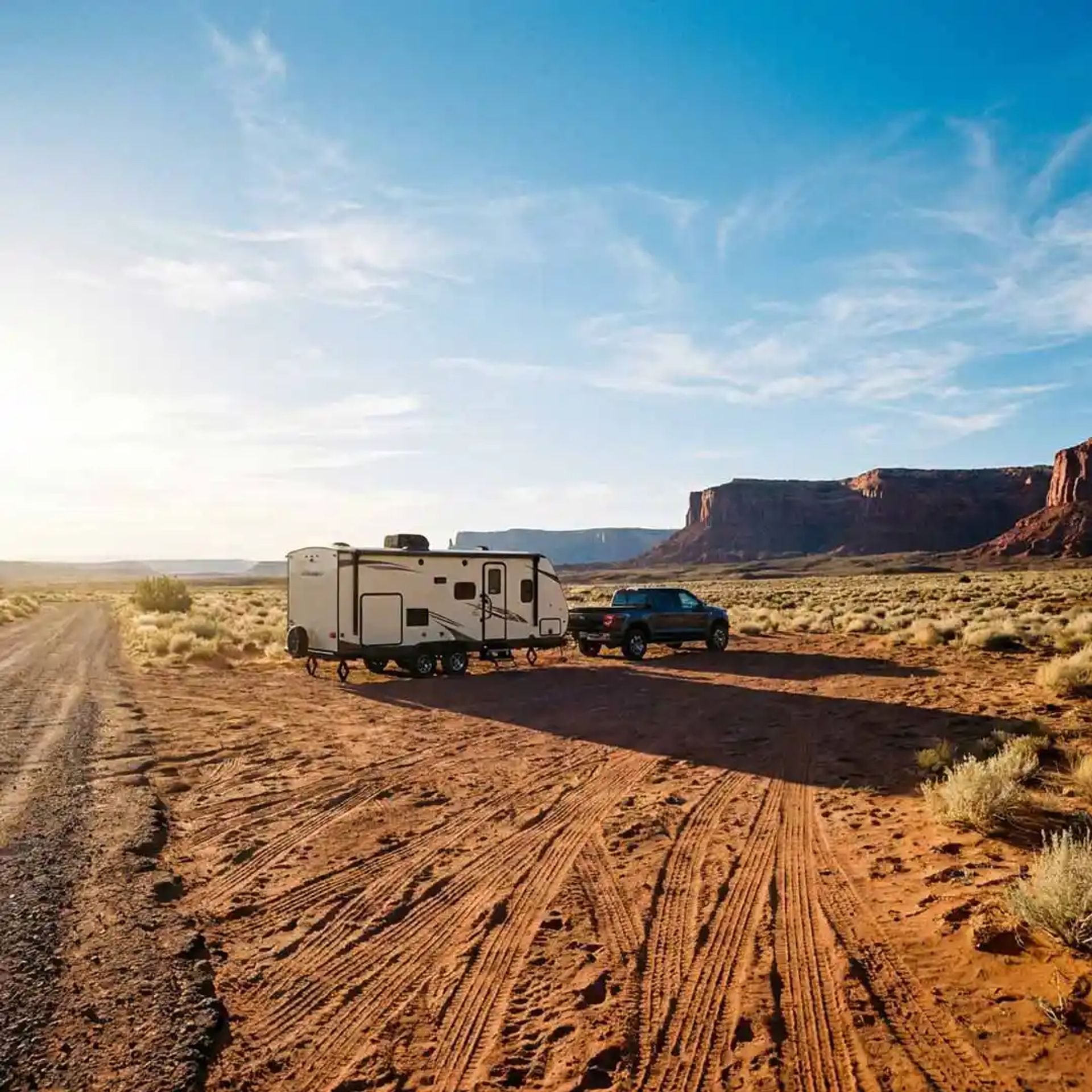
Boondocking: Free, Remote, and Governed by Rules
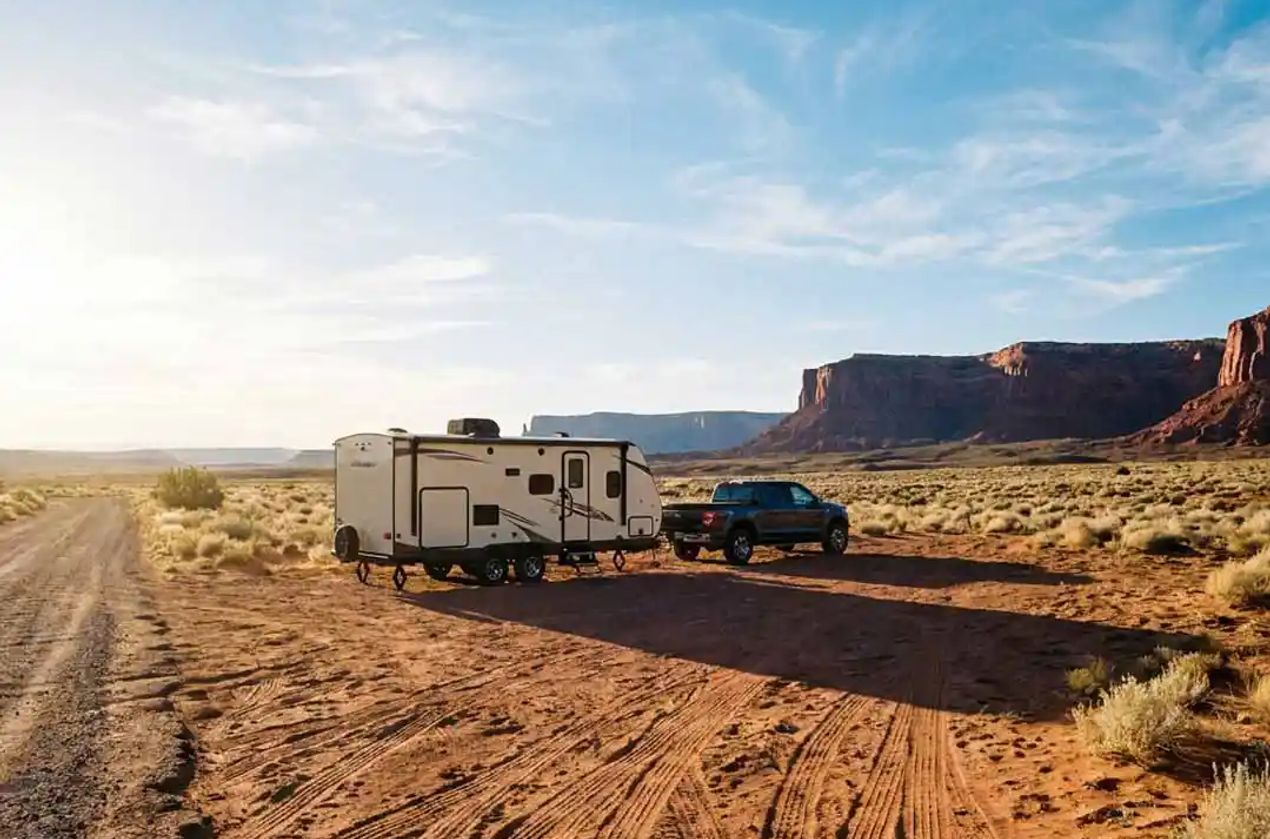
What it is: Camping on public land with no hookups, no fees, and no reservations. The term comes from "the boondocks," which traces back to the Tagalog word bundok, meaning mountain, picked up by American soldiers in the Philippines in the early 20th century. You will also see it called dispersed camping or dry camping, though dry camping technically just means camping without hookups anywhere.
Where it works: Primarily Bureau of Land Management land, which covers roughly 245 million acres concentrated across twelve western states, plus national forest land, which adds about 193 million acres and is spread across nearly every state. That makes national forest the better free-camping option east of the Rockies.
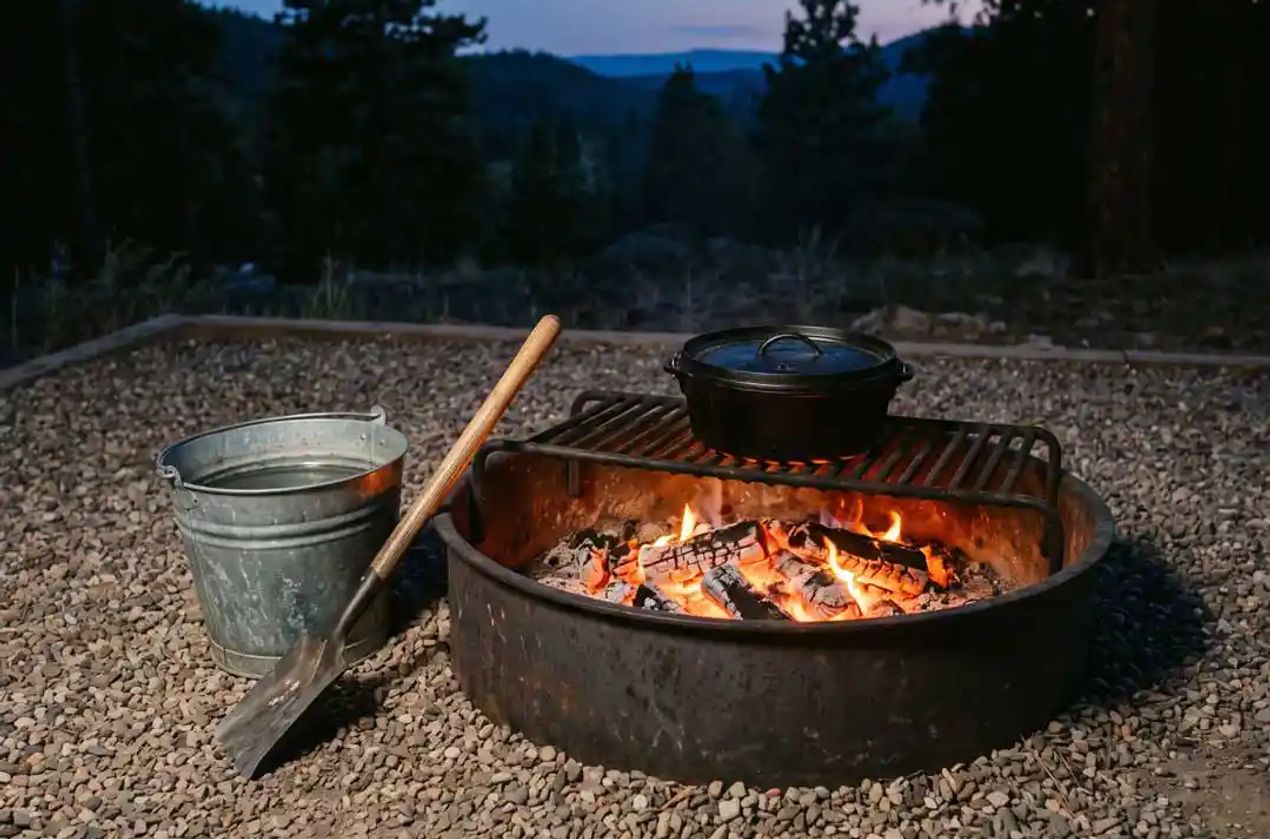
The rules people get wrong: Dispersed camping on BLM land is generally limited to 14 days within any 28-day period, after which you typically must relocate at least 25 miles before returning. National forest rules are similar but often run 14 days within a 30-day window, and most forests require you to camp at least 100 feet from any water source and within a set distance of a designated road on the Motor Vehicle Use Map. Individual field offices and forest districts set their own stricter rules on top of the general framework, and fire restrictions change fast during dry season.
Boondocking is also not allowed in national parks, state parks, most wildlife refuges, or on private land. That surprises a lot of first-timers who assume public land means all public land.
What it costs you: Nothing in dollars. Quite a bit in everything else. You need to be genuinely self-contained, with enough fresh water, battery, and tank capacity to last the whole stay. Access roads are frequently dirt, rutted, or steep enough to be a real problem for a large fifth wheel. There is no guarantee a spot will be open when you arrive. Cell signal is often nonexistent, which matters if you work on the road. Our article on Starlink for RVers covers whether satellite internet solves that problem for your travel style, and our guide on hot-weather RVing without hookups covers staying comfortable on battery power alone.
When it makes sense: You are in the West, you have a capable self-contained rig, you value solitude over convenience, and you have flexibility if your first choice is taken.
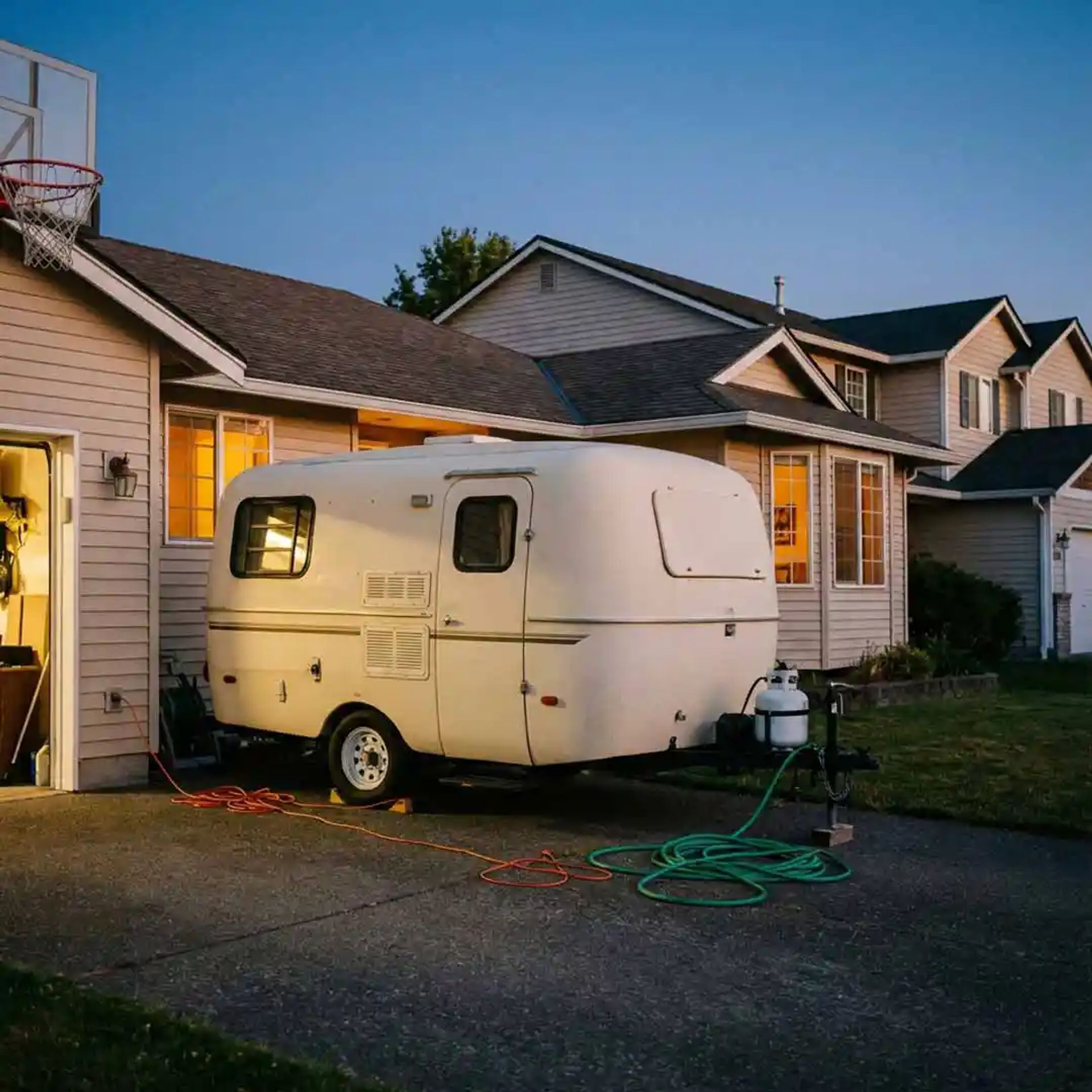
Moochdocking: Free, Personal, and Limited by Your Address Book
What it is: Parking your RV for free on the property of a friend or family member. Usually a driveway, sometimes a backyard or a field. The word is a mashup of "mooch" and "boondocking," and it also goes by driveway surfing. Think of it as couch surfing where you bring your own couch.
The genuine upside: It is free, you often get access to a standard outlet and a water spigot, and it solves a real problem that RVers care about. You get to spend meaningful time with people you love while still having your own space to retreat to at the end of the night. A lot of full-time RVers describe moochdocking stops as the highlights of their travel year, and that is not sentimentality. Visiting family without occupying their guest room genuinely reduces friction for everyone.
The real constraints: First, you can only moochdock where you happen to know someone. That is a hard geographic limit and it has nothing to do with where you actually want to travel. Second, HOA and municipal rules are a frequent problem. Plenty of RVers have had a stay cut to 72 hours by a neighborhood covenant nobody thought to check. Third, there is a social cost that never appears on an invoice.
That third one deserves honesty. Experienced moochdockers describe a fairly strict etiquette: never show up unannounced, agree on the length of the stay in advance, offer to cover electricity, do not overstay, and bring a real thank you. Common wisdom puts three days at the upper end for most driveways. The reason those rules exist is that the arrangement runs on goodwill, and goodwill is a finite resource. You can spend it, and you can spend too much of it.
When it makes sense: You are passing through a place where you have people, the stay is short, the property can actually handle your rig, and both sides have talked about it clearly beforehand.
CurbNTurf: Private Land, Everywhere, Without the Social Debt
Here is the gap those two options leave. Boondocking gives you free private space but only in specific regions, with real rule complexity and no guarantee of a spot. Moochdocking gives you private property with a warm welcome but only where you already have relationships, and it costs you social capital every time.
CurbNTurf fills the space in between. It connects you with private landowners who are offering their driveways, pastures, farms, ranches, and vineyards to travelers, with a nightly rate, a real booking, and a confirmed spot waiting when you arrive.
What that changes in practice:
You get private land anywhere, not just where you know someone. The whole point is that you are no longer limited to your address book or to the twelve western states with heavy BLM coverage.
Nobody is doing you a favor. This is the underrated part. When you pay a fair rate, you are a customer rather than a guest who owes something. You can stay the full length you booked without wondering whether you are wearing out your welcome. That clarity is worth real money to a lot of travelers.
You know what you are getting before you arrive. Listings show the property type, the amenities, the rig sizes that fit, and reviews from previous guests. No hoping a dispersed site is open, no discovering the driveway is too short after a six hour drive. Our guide on decoding power, water, and connectivity explains what each amenity listing actually means.
Hookups are often available. Many hosts offer 30 or 50 amp electric, water, and sometimes sewer, which boondocking never provides and moochdocking provides only by luck.
There is no membership fee to look. CurbNTurf runs on a pay-as-you-go model, so you are not paying an annual subscription just to see what is out there. Our article Is CurbNTurf Free? walks through exactly how the pricing works.
Quick Comparison
Boondocking. Cost: free. Where: BLM and national forest, mostly western states. Hookups: none. Reservation: none, first come first served. Stay limit: usually 14 days. Best for: self-sufficient travelers who want solitude.
Moochdocking. Cost: free, plus social capital. Where: wherever you know someone. Hookups: sometimes. Reservation: a conversation. Stay limit: whatever your host tolerates, often around three days. Best for: visiting people you love.
CurbNTurf. Cost: a nightly rate set by the host. Where: private land across the country. Hookups: varies by listing, often available. Reservation: confirmed booking with coordinates. Stay limit: what you book. Best for: travelers who want private space, predictability, and no obligation.
The Honest Answer
Most experienced RVers use all three. They boondock through the desert Southwest in winter, moochdock at a sister's place over the holidays, and book private land when they want to be somewhere specific on a specific date without gambling on availability.
The thing worth noticing is which of the three actually scales. Boondocking is geographically limited. Moochdocking is socially limited. Private land booked through a platform is the only one of the three that works anywhere, on any date, without depending on public land maps or personal favors. Our article on the campground crunch covers why that reliability matters more every year as campground supply stays flat and demand keeps climbing.
Open the CurbNTurf map, search the area you are headed, and see what private land is available where you actually want to be. If you are booking for the first time, our step-by-step guide walks through the whole process.
Keep Reading
- The Campground Crunch: Why Your Next Best Stay Isn't on a Map for why private land keeps growing as an option.
- Beyond the Crowded Campgrounds: Your First CurbNTurf Booking Guide to book your first stay with confidence.
- Is CurbNTurf Free? Debunking Membership Myths to understand the pay-as-you-go model.
- Master Hot-Weather RVing Without Hookups for staying comfortable when you are dry camping.
- Starlink for RVers: Is It Worth It at Off-Grid Sites? for connectivity in remote locations.