
Wine Trail RV Trips: Finger Lakes, Walla Walla, and Texas Hill Country




Room to Roam is your guide to RV travel adventures off the beaten path. Learn how to turn your land into a money-making opportunity by hosting RVers seeking unique, off-grid escapes. Get tips on RV hosting, chat with fellow hosts and RVers, and discover the latest on RV life from the CurbNTurf community.
Popular articles
FREE TO DOWNLOAD, FREE TO USE.


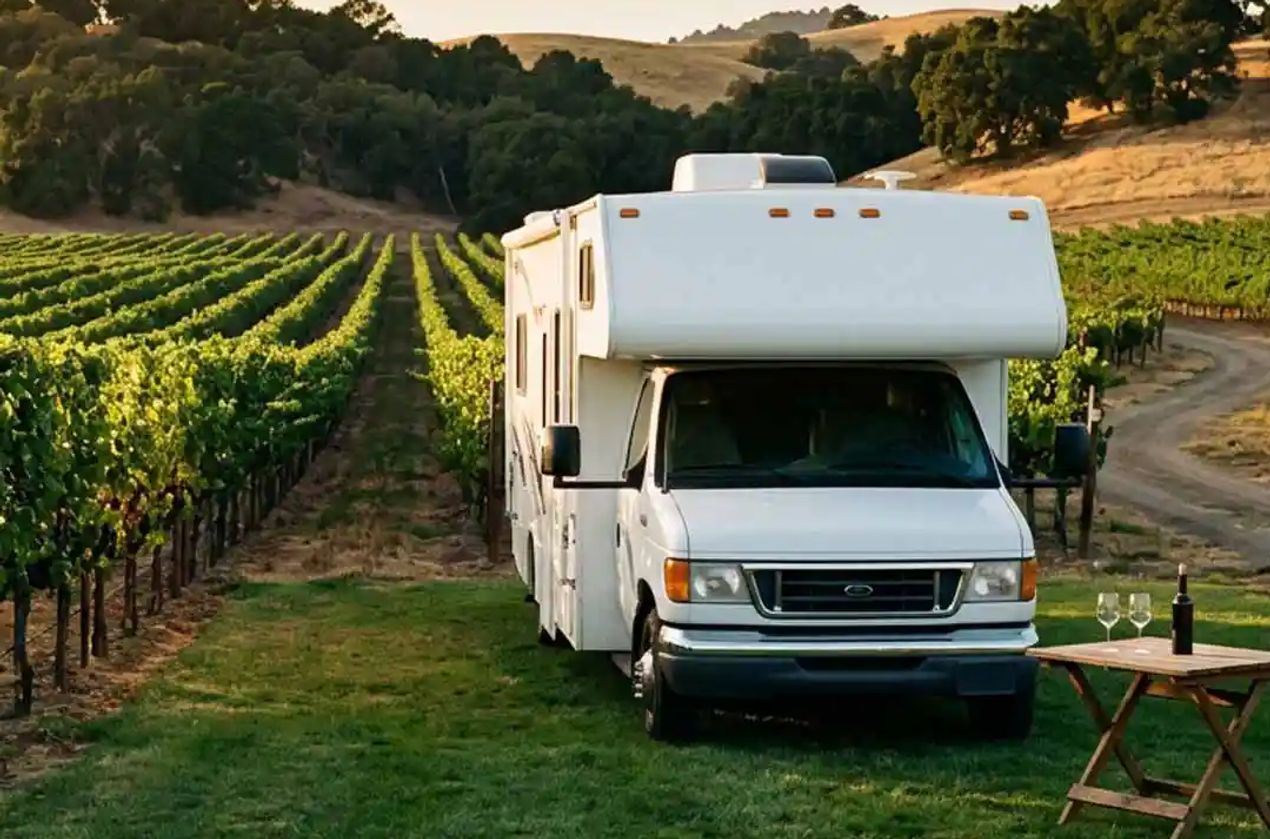
Hey there, fellow traveler! There is a particular kind of trip that RVers and wine lovers have been quietly perfecting for years. You drive to a wine region, park your rig somewhere beautiful, and spend three or four days moving slowly between tasting rooms with no hotel bills, no rushed check-out times, and no one arguing about who has to be the designated driver on the way back.
Wine country and RV travel fit together better than almost any other pairing in road-trip travel. Here is why, plus a practical breakdown of three of the best wine trails in the country and how to build a trip around each one.
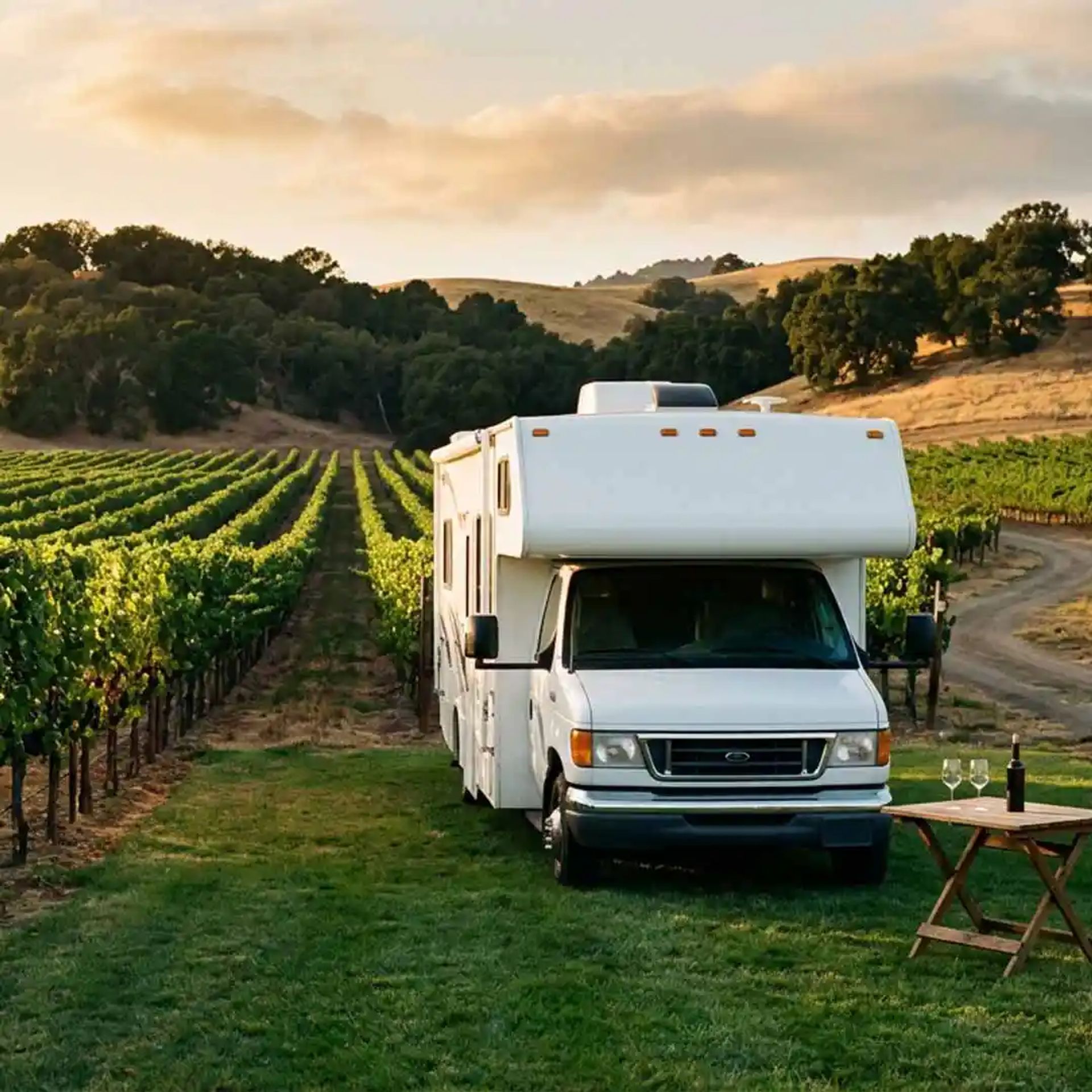
Why Wine Country Is Made for RVers
Three reasons this pairing works so well.
The designated driver problem solves itself. The single biggest friction point in wine tasting is the drive between wineries. When your accommodation is your vehicle and you park it once for several days, you can use a rideshare, a shuttle, a bicycle, or in many cases your own two feet to move between tasting rooms. The rig stays put.
Wine regions are agricultural regions. Every vineyard is a working farm, and working farms are exactly the kind of property that hosts RV travelers on CurbNTurf. Booking a stay directly on a vineyard or an adjacent farm puts you inside the landscape you came to see rather than in a gravel lot on the edge of town.
Commercial options in wine country are expensive and limited. RV parks in Fredericksburg, Texas, for example, commonly run $65 to $75 per night during peak season, and the well-reviewed ones book out well in advance during festival weekends and harvest. Private land alternatives are frequently more affordable, quieter, and closer to the wineries themselves.
If you have never booked a private land stay before, our step-by-step guide to booking your first CurbNTurf stay walks through the whole process.
Finger Lakes, New York
The Finger Lakes had a very good 2025. Wine Enthusiast named it the American Wine Region of the Year, which capped a decades-long climb from a region known mostly for sweet hybrid wines to one producing some of the most respected cool-climate wines in North America.
The numbers: More than 140 wineries across roughly 11,000 acres of vineyard, making it the largest and most established wine-producing region in New York. The area contains three AVAs (the broad Finger Lakes AVA plus the Seneca Lake and Cayuga Lake sub-AVAs) spread around 11 long glacial lakes.
What to drink: Riesling is the signature grape and has been since growers began planting European vinifera varieties in the 1970s. Cabernet Franc is the standout red. The region also produces excellent sparkling wines, rosé, Chardonnay, and Pinot Noir. Sustainability is a real focus here, with 55 vineyards certified under the New York Sustainable Winegrowing program.
How to structure the trip: Seneca Lake has the highest concentration of wineries and the longest shoreline at just over 35 miles, which makes it the easiest single-lake base. Cayuga Lake sits higher, up to 800 feet in places, with steeper slopes and shale soils. Park once on a farm property between the two lakes and you can reach dozens of tasting rooms within a short drive.
Best season: Late summer through October. Harvest runs September into October and the fall foliage around the lakes is spectacular. Winters here are genuinely cold, and many smaller wineries reduce hours between January and April.
Find your Finger Lakes stay: Browse vineyard and farm properties near Seneca and Cayuga Lakes on CurbNTurf
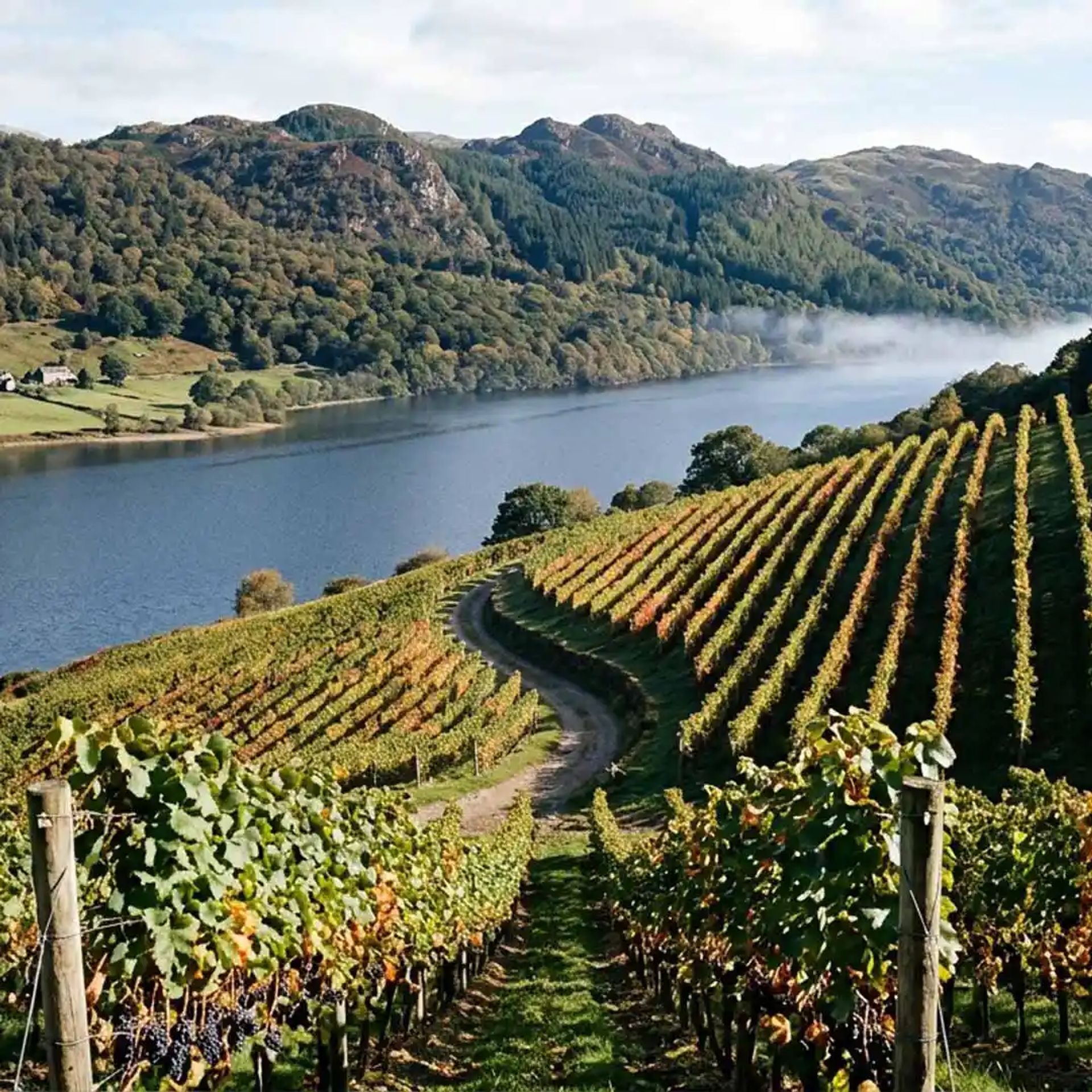
Walla Walla Valley, Washington and Oregon
Walla Walla is the wine region that rewards people who bother to drive there. It sits about 250 miles east of Portland in the dry interior of the Pacific Northwest, far from the coastal routes most travelers take, and it has been repeatedly named one of America's best wine regions.
The numbers: More than 120 wineries and roughly 2,933 acres under vine spread across an AVA of about 182,000 acres. The valley straddles the Washington and Oregon border, with just over half the planted acreage on the Washington side. The AVA was designated in 1984, and the modern industry traces back to the 1970s when Gary Figgins and Rick Small started experimenting in a garage, founding Leonetti Cellar in 1977 and Woodward Canyon in 1981.
What to drink: This is red wine country. Cabernet Sauvignon, Merlot, and Syrah dominate the plantings. The Rocks District of Milton-Freewater, a sub-AVA approved in 2015 on the Oregon side, produces distinctive Syrah from soils full of basalt cobblestones. Walla Walla sits at 46 degrees north latitude, the same line that runs between Bordeaux and Burgundy.
How to structure the trip: The town of Walla Walla is a compact, walkable hub with dozens of tasting rooms downtown. Park your rig on a farm or ranch property outside town, then spend a day downtown on foot and a day driving the southside vineyards and the Oregon border wineries. The valley also grows wheat, sweet onions, and strawberries, so farm stands are abundant.
Best season: May through October. Elevations range from 400 to 2,000 feet and summers are hot and dry, with annual rainfall between 9 and 22 inches depending where you are in the valley. Fall Release Weekend in early November is a major event, and lodging tightens considerably around it. Our article on booking around festivals and events covers how to plan for that kind of demand spike.
Find your Walla Walla stay: Browse farm and ranch properties across the Washington and Oregon valley on CurbNTurf
Texas Hill Country
Texas Hill Country has become the second most visited wine region in the United States behind Napa, and it is the region most likely to surprise a first-time visitor.
The numbers: The Texas Hill Country AVA is the second-largest AVA in America at over nine million acres, stretching from Austin and San Antonio in the east to Junction in the west and Lampasas to the north, with Fredericksburg at the center. Estimates of winery counts vary widely depending on how you draw the boundary, but well over 100 wineries and tasting rooms operate in the region, and the Texas Hill Country Wineries trail association alone has more than 60 member wineries.
What to drink: Tempranillo has emerged as the standout, along with Rhône and Mediterranean varieties that handle Texas heat well: Grenache, Syrah, Mourvèdre, and Viognier. Look for wineries that use 100 percent Texas-grown fruit, since some producers source grapes from California and elsewhere.
How to structure the trip: The Fredericksburg Wine Road 290 is the anchor route, with more than 20 wineries packed along a 30-mile stretch of Highway 290 between Johnson City and Fredericksburg. That density makes it one of the most concentrated wine routes in the country. Downtown Fredericksburg adds an Urban Wine Trail with 14 tasting rooms within walking distance of each other. Other trails worth exploring include the Guadalupe Wine Trail and the Driftwood Wine Trail southwest of Austin.
Best season: Spring and fall. The Texas Hill Country Wineries association runs themed passport programs throughout the year, including a Wine and Wildflower Journey in March and April, Texas Wine Month in October, and a Christmas Wine Affair in late November and December. Summer here is genuinely hot, so if you are visiting in July or August and camping without hookups, our guide on hot-weather RVing without hookups is worth reading first.
Find your Hill Country stay: Browse vineyard and ranch properties near Fredericksburg, Johnson City, and Driftwood on CurbNTurf
Practical Tips for Any Wine Trail Trip
Book your stay before your tastings. Reservations at popular wineries are increasingly required on weekends, but your parking situation is the harder constraint. Lock in the stay first.
Plan three to four wineries per day, maximum. Palate fatigue is real, and so is the temptation to rush. Fewer stops with more time at each is the better trip.
Check the amenities against your rig. Vineyard driveways and farm pads vary enormously. Our guide on decoding power, water, and connectivity covers what every amenity icon means so you arrive without surprises.
Buy from the farm stand. Wine regions are agricultural regions, and the produce is often exceptional. Our article on one-pot meals using farm stand ingredients has five recipes built for exactly this situation.
Ask your host for recommendations. Vineyard and farm hosts know which tasting rooms are worth the stop, which ones are tourist traps, and which small producer down the road never shows up in the guidebooks. That local knowledge is one of the best things about staying on private land.
Ready to Plan Your Wine Trail Trip?
Open the CurbNTurf map, search the region you want to explore, and filter for vineyard and farm properties near the trail you are planning. Park once, taste slowly, and let someone else worry about the hotel.
Keep Reading
- Seasonal Agritourism: A Calendar of Harvest-Based RV Stays to plan farm and vineyard stays month by month.
- Beyond the Crowded Campgrounds: Your First CurbNTurf Booking Guide to book your very first stay with confidence.
- 5 One-Pot Meals Using Ingredients from Your Host's Farm Stand for cooking with what the region grows.
- Booking Around Festivals and Events: When Campgrounds Sell Out for planning around harvest weekends and release events.
- Power, Water, or Peace? Decoding Your Perfect CurbNTurf Connection to match a site's amenities to your rig.