



Room to Roam is your guide to RV travel adventures off the beaten path. Learn how to turn your land into a money-making opportunity by hosting RVers seeking unique, off-grid escapes. Get tips on RV hosting, chat with fellow hosts and RVers, and discover the latest on RV life from the CurbNTurf community.
Popular articles


FREE TO DOWNLOAD, FREE TO USE.


Hey there, host! One of the questions we hear most often from new landowners is a simple one with a surprisingly complicated answer: what should I charge? Underprice your site and you leave real money on the table every night it books. Overprice it and the site sits empty while nearby hosts fill up. The good news is that CurbNTurf's marketplace has matured enough in 2026 that we can now point to clear pricing tiers, regional benchmarks, and dollar-value ranges for individual amenities. This article walks through all of it so you can price with confidence.
Before we dig in, one thing to keep in mind. CurbNTurf operates on a pay-as-you-go model. There are no annual subscription fees for RVers to browse the platform, and hosts set their own nightly rates based on location, property type, and amenities. That flexibility is a huge advantage for you, but it also means the pricing decision genuinely sits on your shoulders. If you are still evaluating the platform overall, our article Is CurbNTurf Free? Debunking Membership Myths walks through the fee structure in detail.
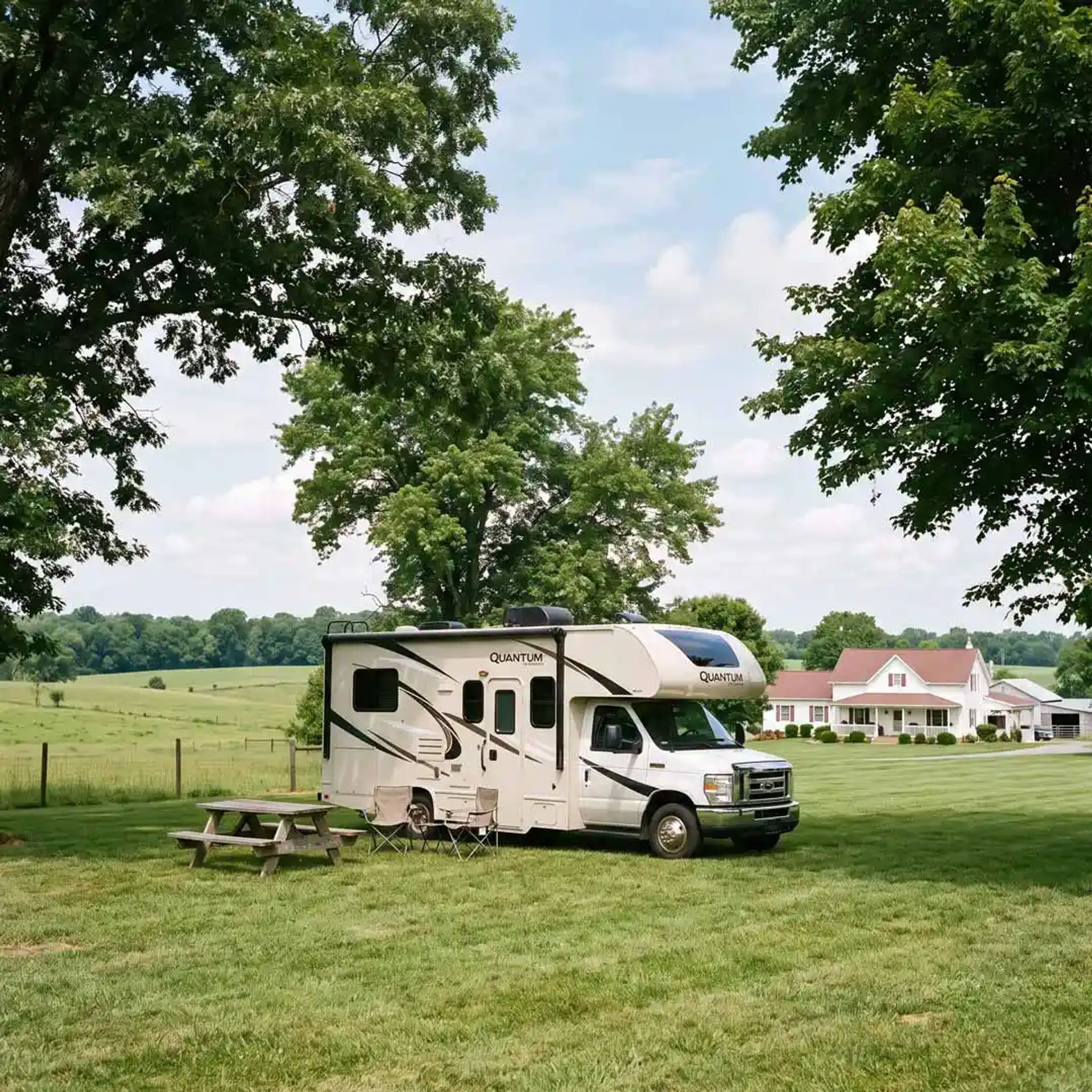
The Three CurbNTurf Pricing Tiers
Every listing on the platform generally falls into one of three tiers. Understanding which tier your property fits into is the first step toward pricing it correctly.
Low-end properties (under $35 per night). These are barebones dry-camping stays, often just a level pad or open field with no hookups. The value proposition is simple: a safe, convenient place to sleep. These sites tend to book with travelers in transit who need to break up a long drive. Common examples include suburban driveways, quiet rural fields, and off-grid parcels.
Mid-range properties ($35 to $65 per night). These offer partial hookups (typically 30-amp or 50-amp electric plus water) or occupy a prime location near a destination. The vibe is a comfortable weekend getaway or a staging area near attractions. Farms, homesteads, and properties in the driving orbit of national park gateway towns typically land in this range.
High-end properties (over $65 per night). These are destination stays where the property itself is the reason to visit. Full hookups (water, electricity, and sewer) plus experiential value. Vineyards, working ranches, waterfront parcels, and sites adjacent to high-demand tourist areas all live here. Some listings routinely charge well above $100 per night.
The trap most new hosts fall into is assuming their property is in a higher tier than the market actually rewards. Look at your listing honestly. If you offer a level pad and nothing else, you are a low-end property, and that is fine. Book at $30, earn steady traffic, collect five-star reviews, then upgrade the site over time to move up the tiers.
Regional Pricing Trends in 2026
Location is the single biggest factor in what your site can command. Here is what CurbNTurf hosts are charging across the country right now.
The American West. This region carries the strongest premiums nationally. In Colorado near Rocky Mountain National Park, hosts are charging $75 to $150 per night during the May-through-September peak. Montana and Wyoming gateway properties near Yellowstone and Glacier run $50 to $100 per night for dry camping, and premium ranch stays with full hookups and on-property experiences can command $150 or more. Arizona sees $50 to $100 per night in the Phoenix metro area, spiking to $150-plus around events like the Tucson Gem Show or Cactus League Spring Training. If you are hosting near a national park, our destination article on private RV stays near Yellowstone, Glacier, and Grand Teton explains why gateway-town properties are in such high demand.
The Southeast. Winter is your peak season here. The Florida Panhandle and North Florida typically run $35 to $60 per night with strong winter occupancy. Central Florida around Orlando and Tampa sits between $45 and $80. South Florida and the Keys command the state's highest premiums, $75 to $150 per night, driven by limited space and heavy winter demand from northern travelers escaping the cold.
Texas. Three distinct pricing zones. The Hill Country between Austin and San Antonio runs $55 to $95 per night, with wine-country experiential stays regularly clearing $100. Festival weekends like SXSW push those same properties above $200 per night. The Gulf Coast heavily favors monthly bookings from "Winter Texans," which delivers steady but lower per-night equivalents. West Texas near Big Bend runs $30 to $50 per night with strong seasonal peaks in spring and fall.
Urban and suburban driveways. These "Curb" properties are their own category. Seattle suburbs go for $45 to $65 per night, Denver area sits at $40 to $55 (surging during Red Rocks concert dates), and the Atlanta perimeter runs $35 to $50 for safe overnight transit parking. If your driveway is near a major venue, a concert or sports schedule can lift your average nightly rate significantly.
For a broader view of how event-driven demand spikes affect pricing, our article on booking around festivals and events covers the major events that drive campground scarcity and how private hosts benefit.
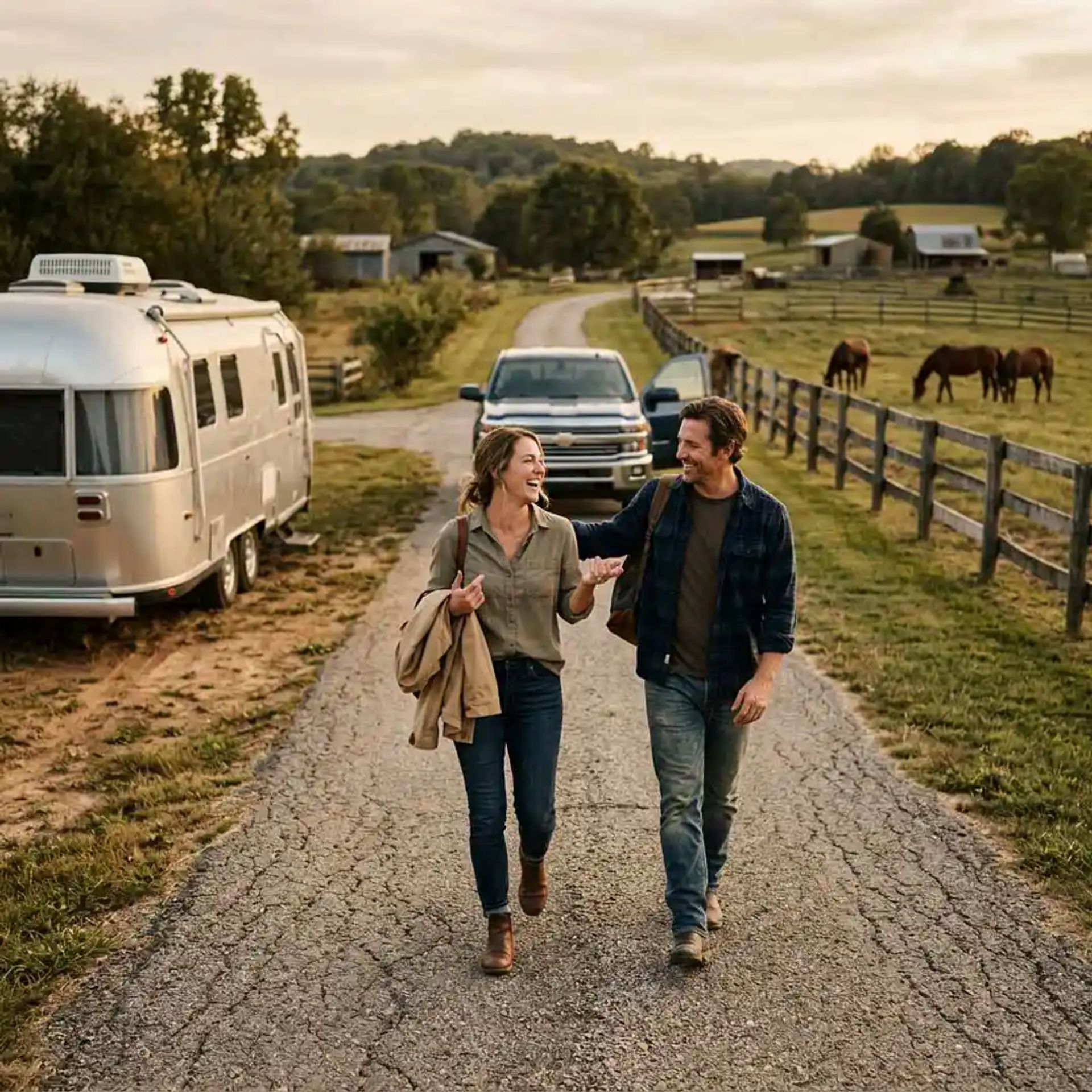
What Each Amenity Actually Adds to Your Rate
This is the most practical section of the article, because it lets you back-calculate exactly what your site should charge based on what you offer. Here are the current CurbNTurf market averages for individual amenity value:
- 30-amp electric adds roughly $15 per night to the base rate
- 50-amp electric adds roughly $20 per night
- Water connection adds roughly $10 per night
- Sewer connection adds roughly $15 per night
- Reliable Wi-Fi adds roughly $10 per night
- Pull-through access adds roughly $10 per night
Pull-through in particular is undervalued by many new hosts. Large Class A motorhomes and fifth wheels have real trouble backing into tight spaces, and drivers of those rigs will pay a premium for a site they can drive straight through.
To put this together in a real example: a host who currently charges $35 per night for a dry-camping site could add 50-amp electric ($20), water ($10), sewer ($15), and Wi-Fi ($10) plus offer pull-through access ($10) and move their nightly rate to around $100. The investment in hookups pays back over one to two peak seasons in most regions.
For a deeper look at how guests actually read amenity listings, our article on decoding power, water, and connectivity is worth reading from the guest's perspective before you finalize your own listing.
Practical Pricing Advice for 2026
A few closing tactics that consistently produce better outcomes for CurbNTurf hosts:
Start slightly below your target rate. New listings without reviews book faster if they are priced 10 to 15 percent below comparable listings in your area. Once you have five to ten five-star reviews, raise your rate to match or exceed the competition. Under-price the reviews. Then charge what you are worth.
Seasonal pricing is your friend. Summer in Montana, winter in Florida, festival weekends in Austin. If your calendar is going to fill regardless, raise your rate during those windows. Guests understand seasonal pricing, and you leave nothing on the table.
Photograph the property honestly and well. Good listing photos justify higher prices. Bare or unclear photos anchor guests to your lowest tier. For more on making your listing stand out, Make Your CurbNTurf Listing Irresistible walks through five specific improvements that consistently lift booking rates.
Set clear house rules and stick to them. Hosts who communicate rules clearly get better guests, better reviews, and stronger repeat business, which all support higher pricing over time.
Protect your business. Whatever you charge, make sure your insurance and legal setup match the activity. Our article on liability and insurance for CurbNTurf hosts covers the key questions to ask your agent.
Ready to Set Your Rate?
Pricing your site well is not about squeezing every dollar from every booking. It is about setting a rate that fills your calendar with the right guests, supports the investments you make in the property, and builds the kind of long-term business that keeps hosting worth your time. Use the tiers as your starting frame, use the regional benchmarks as your market check, and use the amenity values to fine-tune your final number.
Head over to CurbNTurf.com, review your listing against the guidance above, and adjust your pricing for the 2026 season while there is still time to catch the peak booking windows.
Keep Reading
- Is CurbNTurf Free? Debunking Membership Myths to understand the platform's pay-as-you-go model.
- Make Your CurbNTurf Listing Irresistible: 5 Tips and AI Prompts to justify higher prices with a stronger listing.
- How Hosts Can Improve Their Campsites for practical site upgrades that let you move up a pricing tier.
- Liability and Insurance 101 for CurbNTurf Hosts to protect the business you are building.
- How to Promote Your Listing on CurbNTurf to keep bookings flowing at your new rate.
