
Booking Around Festivals and Events: When Campgrounds Sell Out




Room to Roam is your guide to RV travel adventures off the beaten path. Learn how to turn your land into a money-making opportunity by hosting RVers seeking unique, off-grid escapes. Get tips on RV hosting, chat with fellow hosts and RVers, and discover the latest on RV life from the CurbNTurf community.
Popular articles

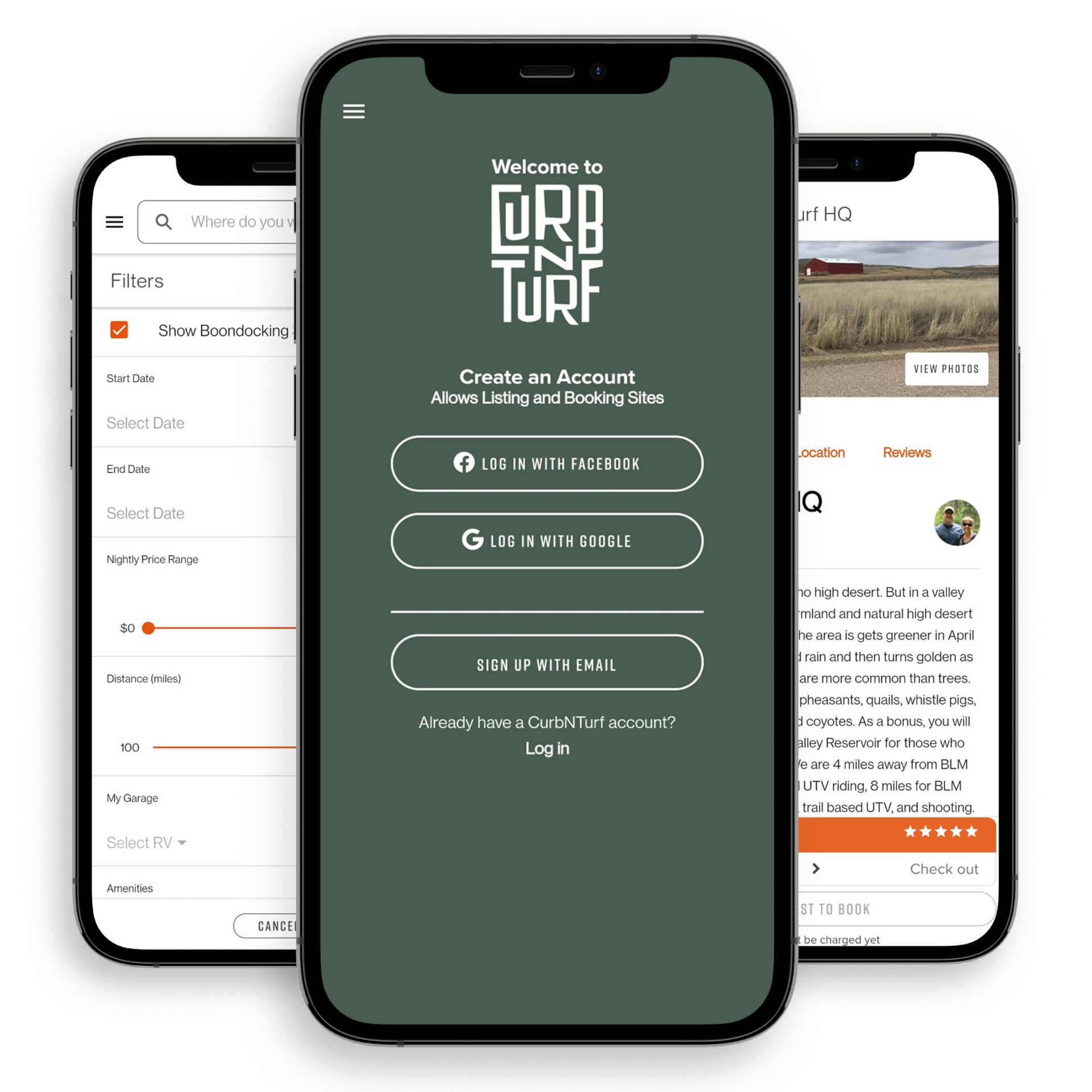
FREE TO DOWNLOAD, FREE TO USE.


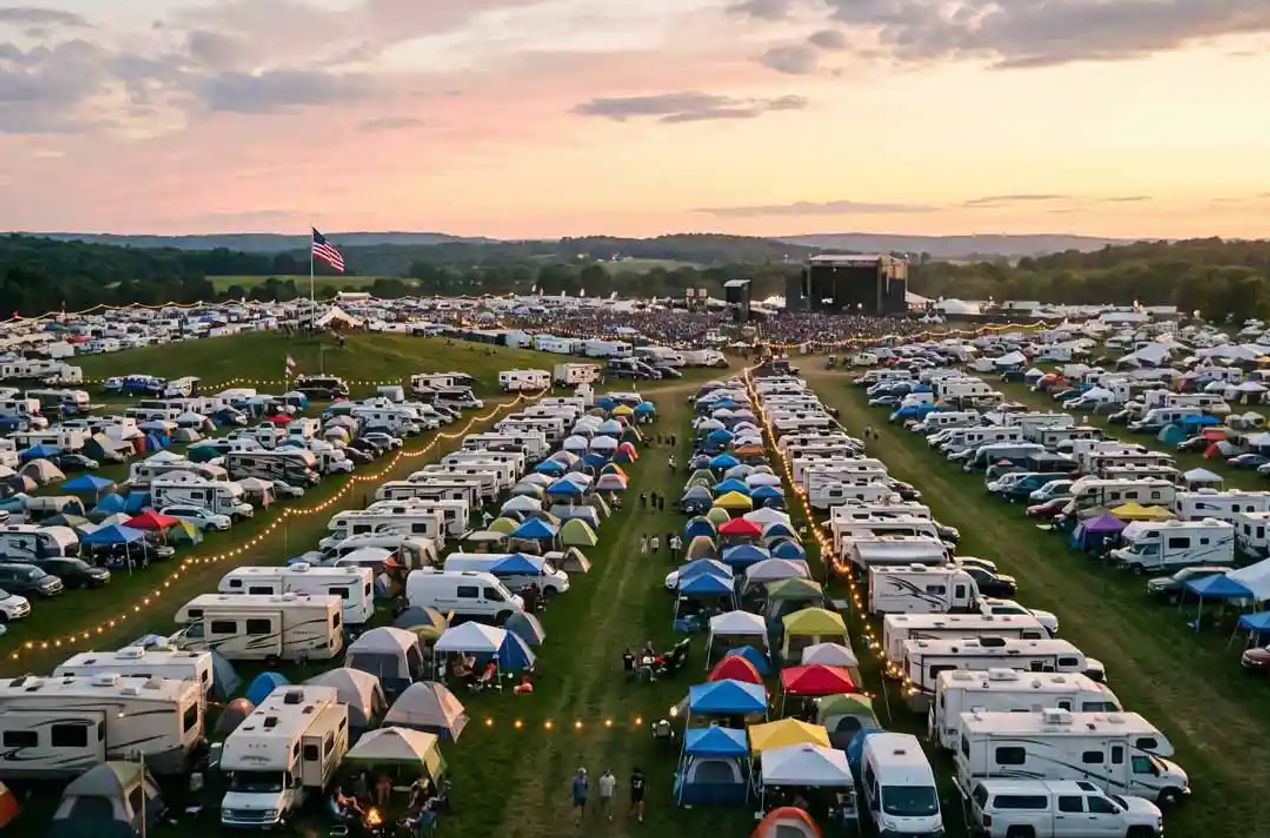
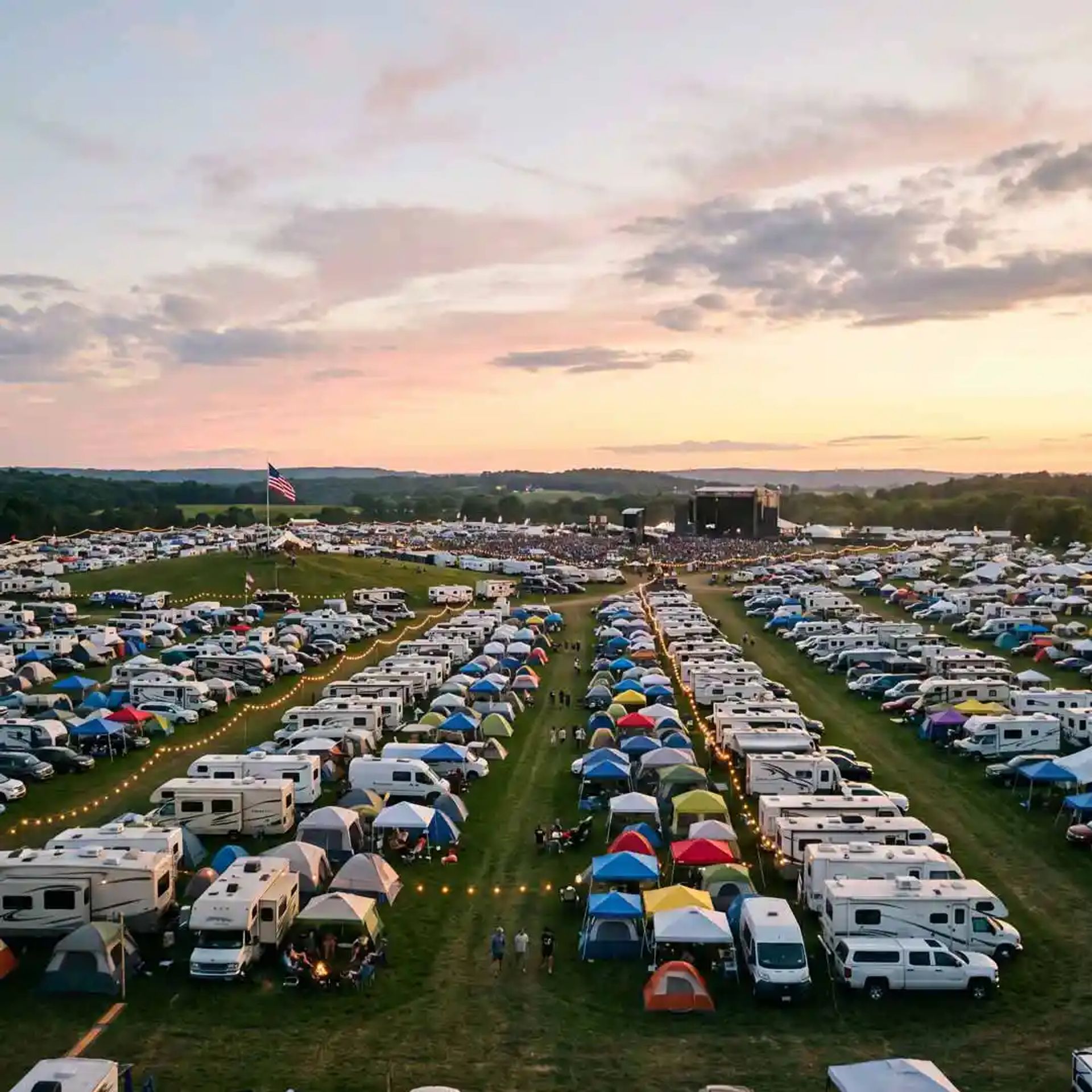
Hey there, fellow traveler! There are two kinds of summer road trips. The kind where you have months to plan and your destination has plenty of capacity, and the kind where you are racing 500,000 other people toward the same small town. The second kind is where most RVers learn a painful lesson about event-driven camping. Big festivals, rallies, and races do not just fill the venue. They vaporize every campsite, hotel room, and parking spot within a 60-mile radius, sometimes for an entire week.
The good news is that private land hosts in those same regions are the closest thing to a cheat code for event travel that exists. If you know where to look and you book early, you can land a peaceful base camp while everyone else is fighting over the last gravel pad at a packed commercial campground. Here is how to do it.
The Math of Event Scarcity
The big picture context first. According to the RV Industry Association, U.S. manufacturers shipped 342,220 new RVs in 2025, the second straight year of growth. KOA's 2026 report found that more than 52 million North American households camped last year, and that 56 percent of campers struggled to find an available site due to full bookings. The country still has only about 15,000 to 16,000 RV parks and campgrounds, a number that has barely moved in years.
Now point that constant demand pressure at a small town hosting an event with hundreds of thousands of visitors, and you can see why the math breaks down. Two examples make the scale concrete.
Sturgis Motorcycle Rally. The 85th Sturgis rally in August 2025 drew 537,459 vehicles into a South Dakota town of about 7,000 residents over 10 days. South Dakota State University estimated the rally generated $784 million for the state and supported 8,130 jobs. The 2026 rally runs August 7 to 16. Every commercial campground within a wide radius books months in advance, and many regulars reserve their spot a full year out.
EAA AirVenture Oshkosh. The world's largest fly-in convention drew approximately 704,000 attendees to Oshkosh, Wisconsin, in July 2025, a new all-time record. The University of Wisconsin-Oshkosh pegged its annual economic impact at $257 million. The 2026 show runs July 20 to 26. Wittman Regional Airport itself fills with more than 15,000 camping sites, and the surrounding lodging market across Oshkosh, Appleton, and Fond du Lac sells out for the full week.
That same pattern plays out across every major event category. Music festivals like Bonnaroo, Coachella, EDC Las Vegas, and Austin City Limits each absorb the lodging capacity of their host regions. NASCAR weekends at Daytona, Talladega, and Bristol fill commercial campgrounds with hardcore fans who book a year ahead. College football Saturdays do the same thing 10 weekends in a row across Tuscaloosa, Athens, Tallahassee, Columbus, and Ann Arbor. The Albuquerque International Balloon Fiesta turns a New Mexico October weekend into the country's most crowded sunrise. State fairs in Iowa, Texas, Minnesota, and Wisconsin draw over a million visitors each.
The pattern is always the same. Demand for a 10-day window spikes by an order of magnitude. Supply does not move. RVers who did not plan ahead end up paying premium prices for the last available pull-through 90 minutes from the action, or driving home defeated.
Why Private Land Is the Hidden Capacity
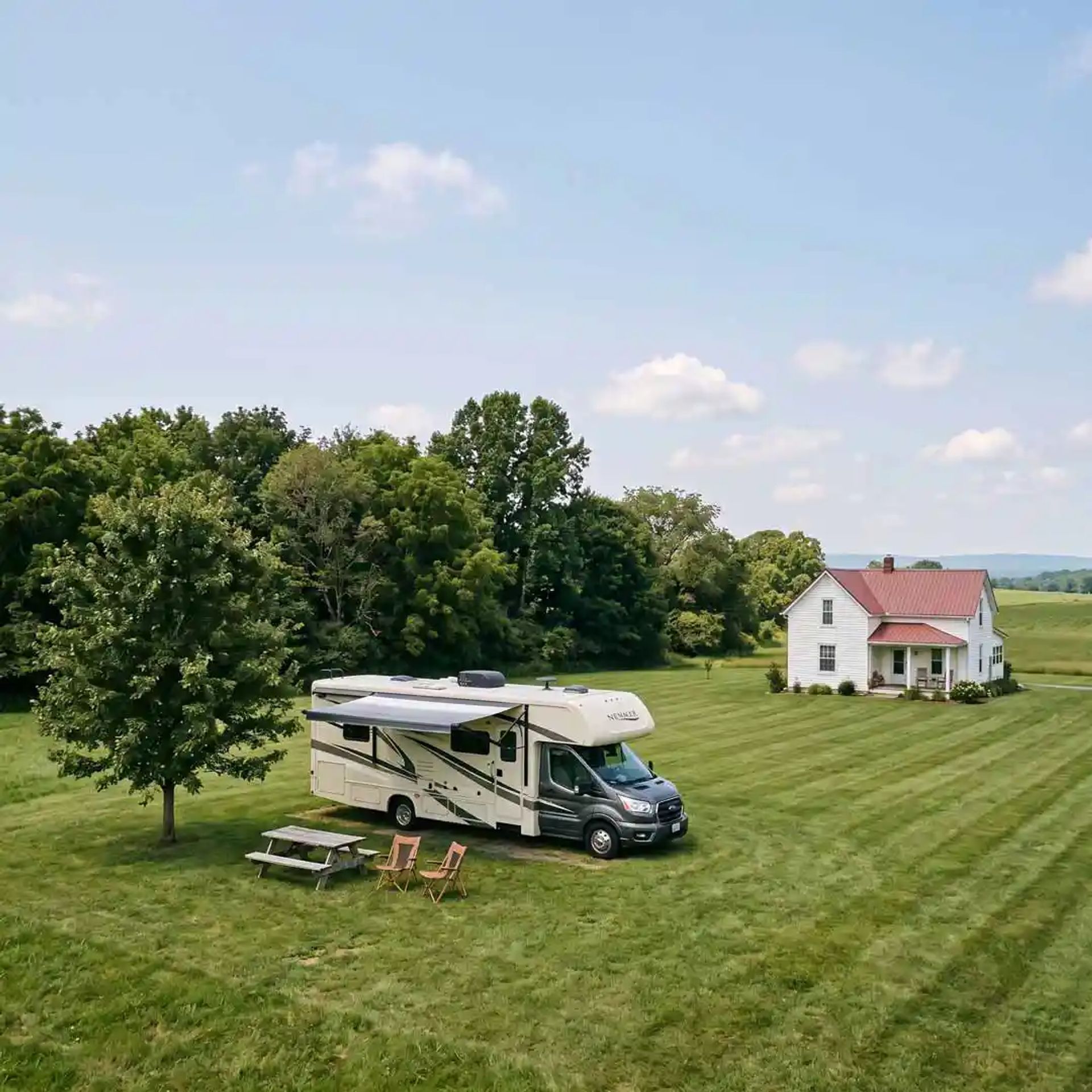
Here is what most event travelers miss. While the commercial campgrounds within 30 miles of a major event are booked solid, the private landowners between those campgrounds and the event venue are not on most travelers' radar. A farmer 25 miles from the Bonnaroo grounds with 40 acres of pasture has the same physical capacity to host an RV as a commercial campground does, but most of those landowners never list anywhere. CurbNTurf exists specifically to surface that hidden inventory.
The result is that event-week pricing on private land tends to be more reasonable than the surge pricing commercial campgrounds apply during their peak weeks. The properties are often quieter and more spacious. And many hosts genuinely enjoy the once-a-year energy of having event-bound travelers on the land, especially in regions where the event is a local point of pride.
If you have never used the platform before, our step-by-step guide to booking your first CurbNTurf stay walks through the whole process in plain language.
The Five Event Categories That Cause the Worst Booking Crunch
If your road trip wish list includes any of the following, treat the booking window as urgent.
Motorcycle rallies. Sturgis is the largest, but Daytona Bike Week, Laconia Bike Week in New Hampshire, and Americade in Lake George all draw enough riders to absorb regional capacity for the entire event window.
Aviation events. AirVenture Oshkosh is the headliner, but Sun 'n Fun in Lakeland, Florida, draws over 200,000 attendees each spring and produces the same booking pressure on a smaller market.
Major music festivals. Bonnaroo in Manchester, Tennessee, Coachella in Indio, California, Austin City Limits in Austin, EDC in Las Vegas, and Burning Man in northern Nevada all absorb regional lodging capacity for their event windows. Many regulars book private land 9 to 12 months in advance.
Sports weekends. NASCAR races, the Indianapolis 500, the Kentucky Derby, and major college football weekends turn surrounding regions into capacity-constrained zones. Bristol and Talladega in particular sit in small towns where the commercial campground supply is genuinely tiny relative to the demand surge.
Astronomical and seasonal events. Total solar eclipses (the next major U.S.-visible eclipse path is in 2045, but partial events and lunar events still drive demand), peak fall foliage weekends in Vermont and New Hampshire, the Albuquerque Balloon Fiesta in October, and the Calaveras County Fair in California all generate predictable, sharp demand spikes against tight regional supply.

Booking Tactics That Actually Work
A few tactical recommendations for event-week travel:
Book 9 to 12 months out. The hosts who allow event-week stays are usually long-time CurbNTurf members who know their event audience. Their best dates go first. If you are eyeing the 2026 Sturgis rally or Oshkosh AirVenture, you should be booking right now.
Filter by distance from the venue, not by town name. A great private stay 20 miles north of an event is often more peaceful and more accessible than a commercial campground 8 miles south fighting traffic. Use the map view rather than searching by city.
Match your rig to the property carefully. Event-week is the worst time to discover your rig does not fit a host's driveway. Our guide on decoding power, water, and connectivity walks through every amenity icon and length consideration.
Plan for hot-weather dry camping. Most major festivals fall during summer peak heat, and many private land sites are dry camping. Our guide on hot-weather RVing without hookups covers the strategies that keep you comfortable on battery power alone.
Be a great guest. Event-week traffic in and out of a host's property is more disruptive than a normal weekend visit. Communicate your arrival and departure times in advance, follow the host's rules, and treat the property like the working home it usually is.
Ready to Lock In Your Event Trip?
The best event-week stays are not won at the gate. They are won by planning early, looking past the obvious commercial options, and tapping the private land that sits between the campgrounds and the venue. Sturgis 2026 runs August 7 to 16. Oshkosh AirVenture runs July 20 to 26. Bonnaroo, Coachella, ACL, and the major NASCAR weekends are all already on the calendar. The travelers who book now will sleep peacefully a short drive from the action. The travelers who wait will be the ones learning the hard lesson about event-driven scarcity.
Head to CurbNTurf.com, search the region around the event you want to attend, and book the kind of base camp the festival regulars wish they had thought of first.
Keep Reading
- The Campground Crunch: Why Your Next Best Stay Isn't on a Map for the full story on why traditional campgrounds keep filling up.
- Beyond the Crowded Campgrounds: Your First CurbNTurf Booking Guide to book your very first stay with confidence.
- Master Hot-Weather RVing Without Hookups to stay cool during summer event weeks.
- Power, Water, or Peace? Decoding Your Perfect CurbNTurf Connection to match a site's amenities to your rig.
- Best Private RV Stays Near Yellowstone, Glacier, and Grand Teton for national park gateway planning.