



Room to Roam is your guide to RV travel adventures off the beaten path. Learn how to turn your land into a money-making opportunity by hosting RVers seeking unique, off-grid escapes. Get tips on RV hosting, chat with fellow hosts and RVers, and discover the latest on RV life from the CurbNTurf community.
Popular articles

FREE TO DOWNLOAD, FREE TO USE.


Get ready for an unforgettable adventure in the top national parks for wildlife viewing in your RV. You'll see everything from Rocky Mountain National Park's peaks to the Everglades' lush wetlands. These nature reserves across the United States are perfect for animal lovers and wildlife photographers.
RV camping lets you dive deep into these diverse animal habitats. You can wake up to nature's sounds and see wildlife from your campsite. Whether it's bison in Yellowstone or alligators in the Everglades, these parks offer amazing wildlife encounters.
Planning your RV trip to these wildlife hotspots is an exhilarating journey. It requires some prep work, such as checking the size limits for RVs and the availability of hookups. For example, Rocky Mountain National Park is suitable for RVs up to 30-40 feet, and the Grand Canyon's Trailer Village RV Park can accommodate RVs up to 50 feet.
It's crucial to check these details and book early. This is especially true for summer spots like Zion National Park. Being proactive in your planning ensures a smooth and enjoyable trip.
Key Takeaways
- National parks offer diverse wildlife viewing opportunities for RV campers
- Check park-specific RV size restrictions before planning your trip
- Many parks have limited or no hookups, so be prepared to "rough it"
- Make reservations early, especially for summer visits
- Consider visiting during the off-season for fewer crowds and lower rates
- Explore lesser-known trails for peaceful wildlife encounters
- A National Park Annual Pass can be cost-effective for multiple park visits
Introduction to RV Wildlife Viewing in National Parks.
RV camping in national parks is a great way to see wildlife. You can move around easily and see animals in their homes. Here's what you need to know about the benefits, gear, and how to watch animals responsibly.
Benefits of RV camping for wildlife observation.
RV camping lets you see nature up close, stay longer, and see more animals. Big Bend National Park has 131 RV sites with full hookups, allowing you to stay for 14 days.
Essential gear for wildlife viewing from your RV.
To enjoy wildlife viewing, bring these things:
- Binoculars for close-up views
- Spotting scopes for distant wildlife
- Field guides to identify species
- Camera with a zoom lens
- Comfortable outdoor seating
Responsible wildlife viewing practices.
It's not just about watching wildlife; it's about doing it responsibly. Keeping a safe distance, respecting their homes, and following park rules are all part of the experience. By doing so, we contribute to the safety and well-being of these animals, a responsibility we should all be proud to uphold. Remember, never feed the wildlife, keep a safe distance, and always follow park guidelines for wildlife viewing.
Yellowstone National Park: A Wildlife Paradise.
Yellowstone National Park is a dream spot for wildlife lovers. It has many different places for animals to live. RV campers can see amazing sights and stay in cozy places.
Iconic Wildlife Species to Spot
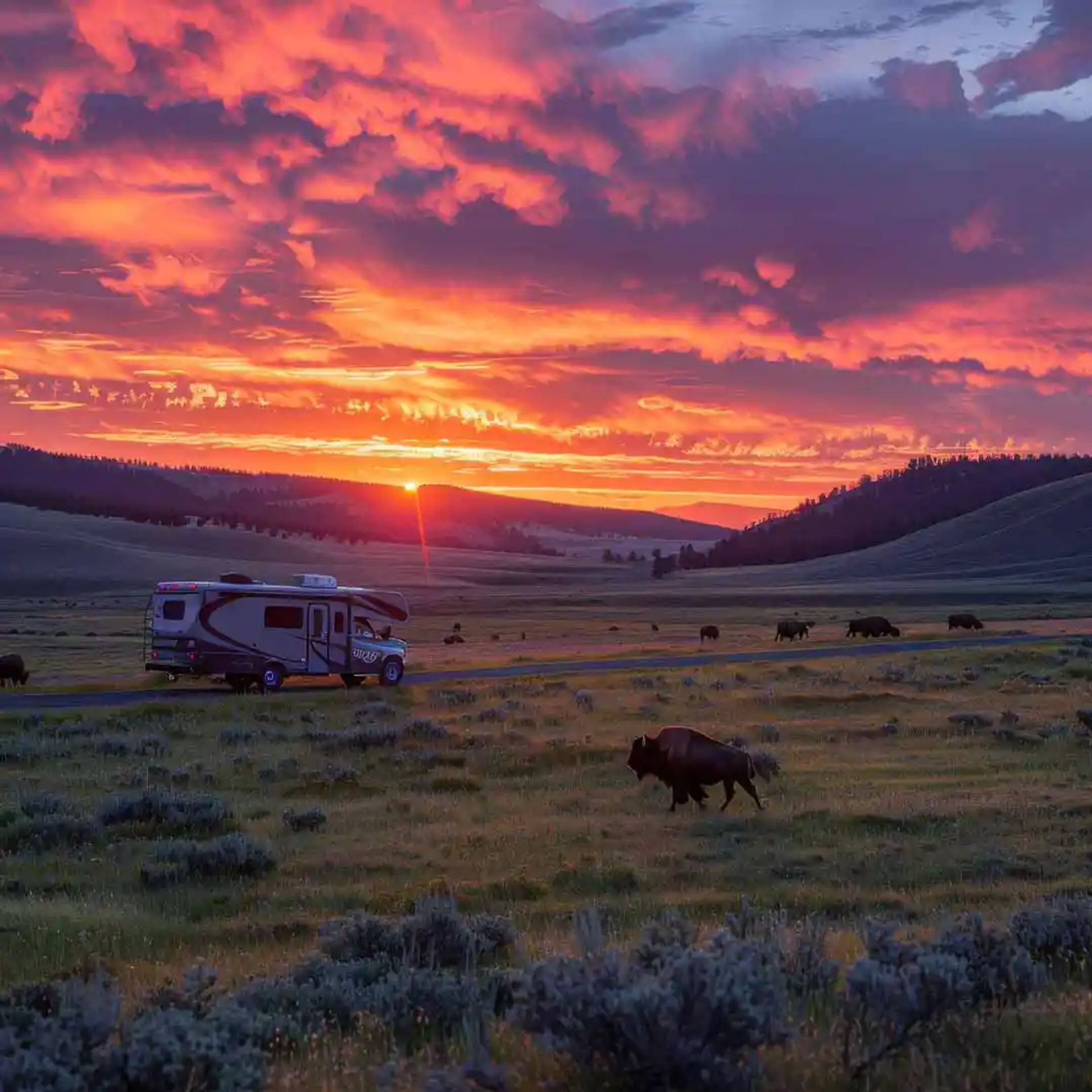
Yellowstone is a treasure trove of iconic animals. The sight of huge bison herds or a grizzly bear on the hunt is nothing short of awe-inspiring. These encounters are sure to leave you with a sense of wonder and a camera full of unforgettable memories.
The park's wolf packs are a big attraction. They were brought back in the 1990s, and watching them is an exciting experience.
Best RV Campgrounds for Wildlife Encounters.
Yellowstone has 12 campgrounds, each special in its own way. Fishing Bridge RV Park is great for RVs up to 95 feet and has full hookups.
Madison Campground is near the West Entrance. It's good for RVs up to 40 feet and has a dump station. Canyon Campground has hot showers and laundry.
Campground Max RV Length Amenities Fishing Bridge RV Park 95 feet Full hookups, showers, laundry Madison 40 feet Dump station, flush toilets Canyon 40 feet Hot showers, laundry, drinking water
Top Wildlife Viewing Locations within the Park.
Lamar Valley is like America's Serengeti. It's perfect for seeing animals. Hayden Valley has big grasslands where bison and elk live.
Mammoth Hot Springs is special. It attracts many animals with its hot springs. These places are great for seeing Yellowstone's animals in their homes.
Everglades National Park: Diverse Ecosystems and Unique Wildlife.
Everglades National Park covers 1.5 million acres of wetlands. It's a paradise for RV lovers to explore different ecosystems. You can see alligators, manatees, and the rare Florida panther here.
RV camping in the Everglades is best from December to April. The park has two RV-friendly spots: Long Pine Key and Flamingo. These are great places to start your wildlife adventures.
Wildlife fans can see many species on walks, boat tours, and drives. The Anhinga Trail is perfect for alligators. Try the Shark Valley Tram Road with its 15-mile loop and tower for a wider view.
When visiting, be careful and know how to handle wildlife. The park's special setting draws photographers to capture rare birds and amazing wildlife photos.
- Bring camping stoves, pop-up canopies, and coolers for a comfy stay
- Make reservations, especially during peak season
- Explore areas like Shark Valley, Gulf Coast, and Flamingo
- Try activities such as airboat rides, kayaking, and biking
The Everglades' rich wildlife makes it a top spot for RV travelers. It offers unique wildlife experiences in Florida's wetlands.

Top National Parks for Wildlife Viewing in an RV.
RV fans looking for amazing wildlife spots have many great national parks to pick from. Each park has its own special wildlife habitats and different ecosystems. They are perfect for those who love nature and photography.
Rocky Mountain National Park
Rocky Mountain National Park has beautiful alpine views and lots of wildlife. On Trail Ridge Road, you can see elk, bighorn sheep, and marmots. The high meadows are great for watching wildlife, especially in the fall when elk rut.
Grand Teton National Park
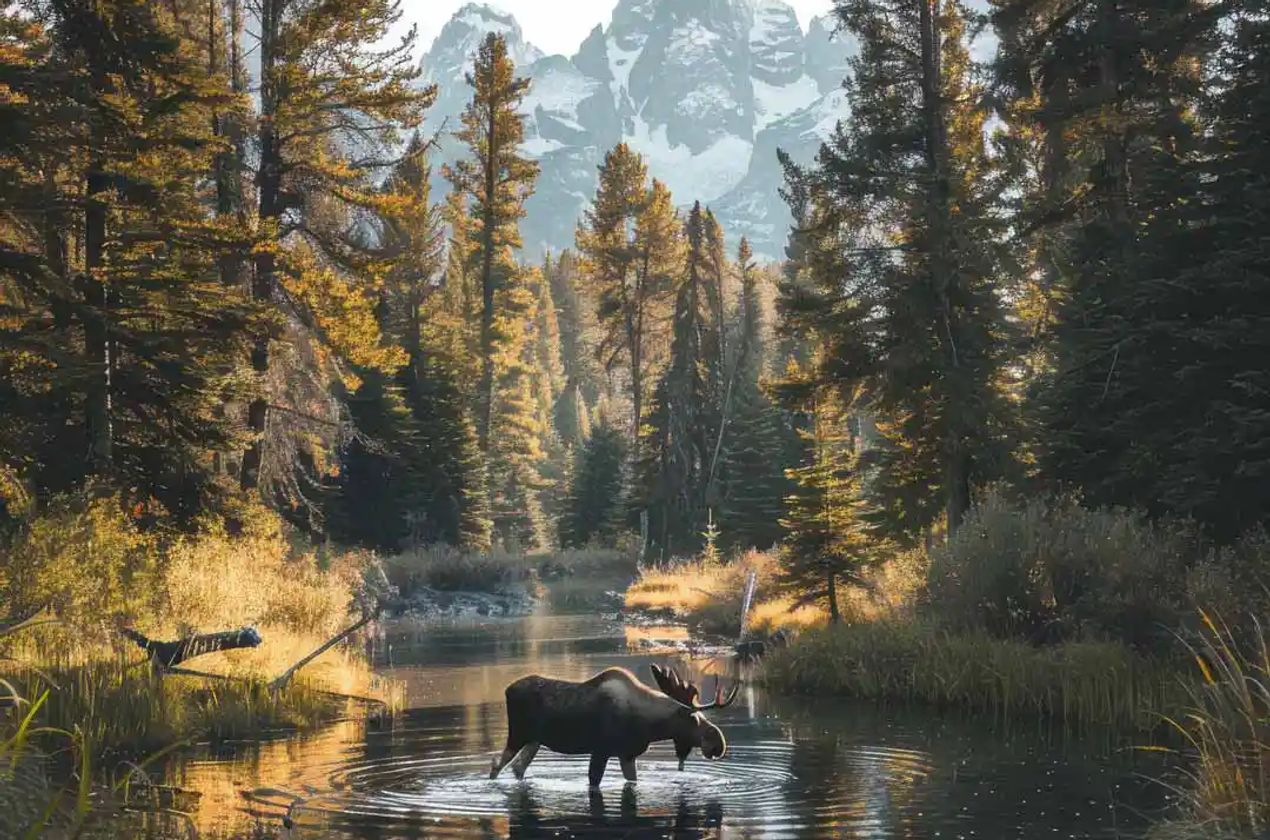
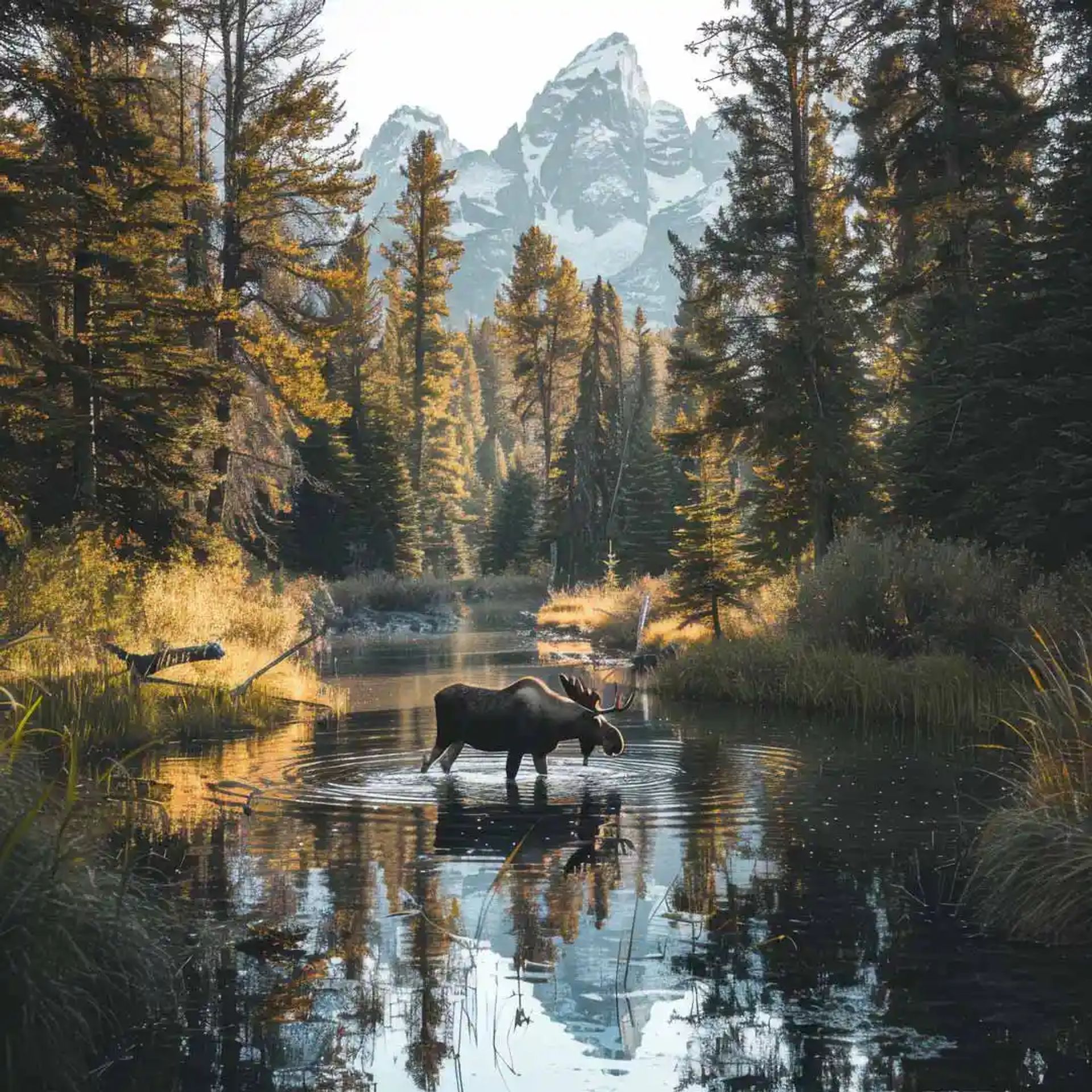
Grand Teton National Park is a dream for wildlife lovers. It has many animals like moose, bison, and pronghorn. RV campers can see the Teton Range and watch for wildlife in the meadows and forests.
Denali National Park
Denali National Park is known for its Alaskan wildlife. You might see grizzly bears, caribou, and Dall sheep near North America's highest peak. The park's huge wilderness is perfect for wildlife watching from special spots.
Olympic National Park
Olympic National Park has different areas, from coastlines to rainforests. RV campers can see Roosevelt elk, black bears, and sea creatures. The park's varied habitats make it a great place for wildlife watching.
RV Camping Tips for Optimal Wildlife Viewing.
RV camping is great for seeing wildlife in national parks. In 2018, over 2.5 million RVs stayed overnight in parks. Here are some tips to help you see more wildlife.
Choosing the Right Campsite
Choosing the right campsite is key for wildlife watching. Look for places near animal homes or with beautiful views. Most RV sites in national parks are for vehicles under 30 feet.
Book your site early. RV sites are often fewer than tent sites and get filled quickly.
Best Times for Wildlife Activity
Wildlife is most active in the early morning and late evening. These times are best for spotting animals, as they are usually out foraging or moving around.
Plan your wildlife watching for these hours. It will give you the best chance to see different animals.
Maximizing Your RV Setup
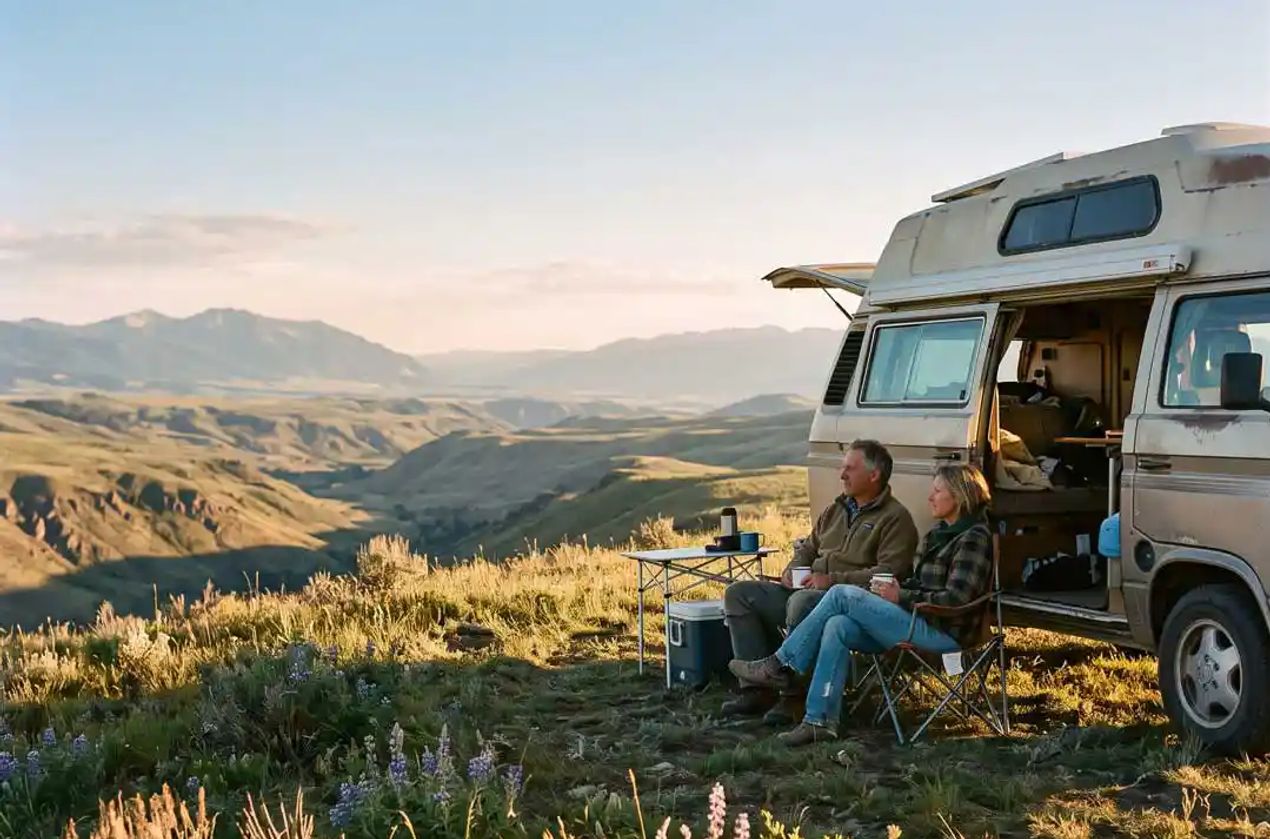
Make your RV a wildlife-watching spot. Set up a comfy outdoor area with chairs and awnings. Use quiet generators to prevent animals from being scared away.
Bring bicycles for exploring. But remember, 100 large animals die each year in parks like Yellowstone from speeding. Always drive carefully.
"RV camping in national parks offers unparalleled opportunities for wildlife observation. With proper preparation and respect for nature, you can create unforgettable encounters with the diverse fauna of America's protected lands."
Follow these tips to see more wildlife while RV camping. Always be safe and respect nature during your adventures.
Seasonal Wildlife Viewing Opportunities in National Parks.
National parks are a year-round wonderland for wildlife viewing, and each season brings its own special moments. RV fans can enjoy nature's beauty all year, from animal migrations to mating seasons.
Spring brings new life to parks. Baby animals and migratory birds return. In Yellowstone, watching bison calves is unforgettable.
Summer is when parks are most lively. Animals are everywhere, and plants grow well.
Fall is known for its colors and animal moves. Rocky Mountain National Park's elk rutting season is a highlight. Winter turns parks into snowy wonders, offering special wildlife views.
- Spring: Newborns and migratory birds
- Summer: Active wildlife and lush ecosystems
- Fall: Mating seasons and animal movements
- Winter: Snow-covered landscapes and adapted wildlife
Wildlife management helps us see animals without harming them. Parks like Grand Teton let you see bears, moose, and eagles up close. Visiting during off-peak times means fewer people and more animal encounters.
Every park has its own special times. Look up events in your park to see the most wildlife. With some planning, your RV trip can match nature's best moments.
Conclusion
RV camping in national parks is a special way to see wildlife and nature. Places like Yellowstone and the Everglades offer amazing sights. With over 2,000 RV sites in Yellowstone, there's plenty to explore.
Yosemite has ten campsites with over 1,200 RV spots. Great Smoky Mountains National Park has about ten campgrounds with 930 RV spots. These numbers show how popular RV camping is in our natural treasures.
Choosing the right park and campsite is key. Make sure you have the right gear and follow wildlife viewing rules. RV travel lets us enjoy nature and learn about conservation. It helps us protect these beautiful places for the future.
