



Room to Roam is your guide to RV travel adventures off the beaten path. Learn how to turn your land into a money-making opportunity by hosting RVers seeking unique, off-grid escapes. Get tips on RV hosting, chat with fellow hosts and RVers, and discover the latest on RV life from the CurbNTurf community.
Popular articles


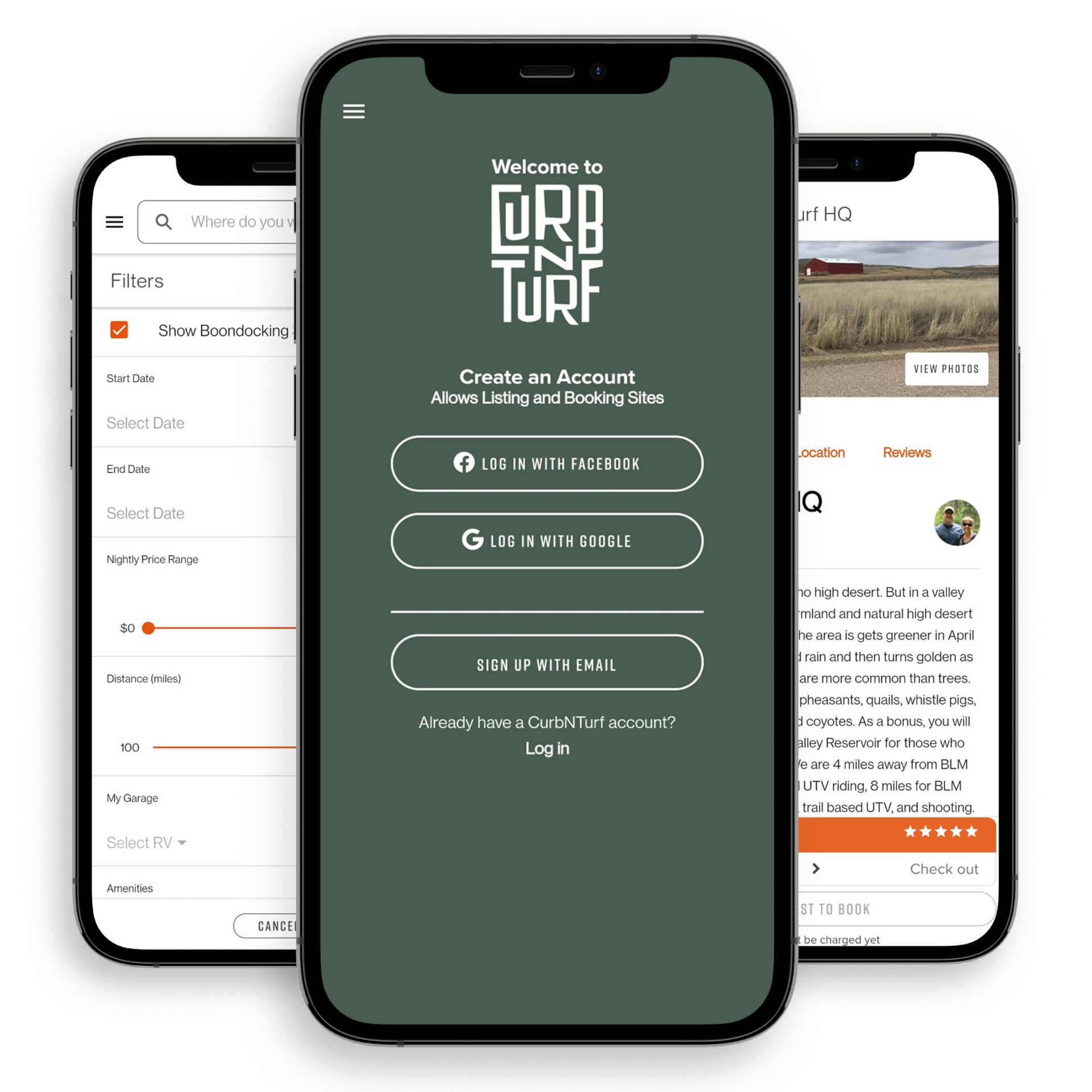
FREE TO DOWNLOAD, FREE TO USE.


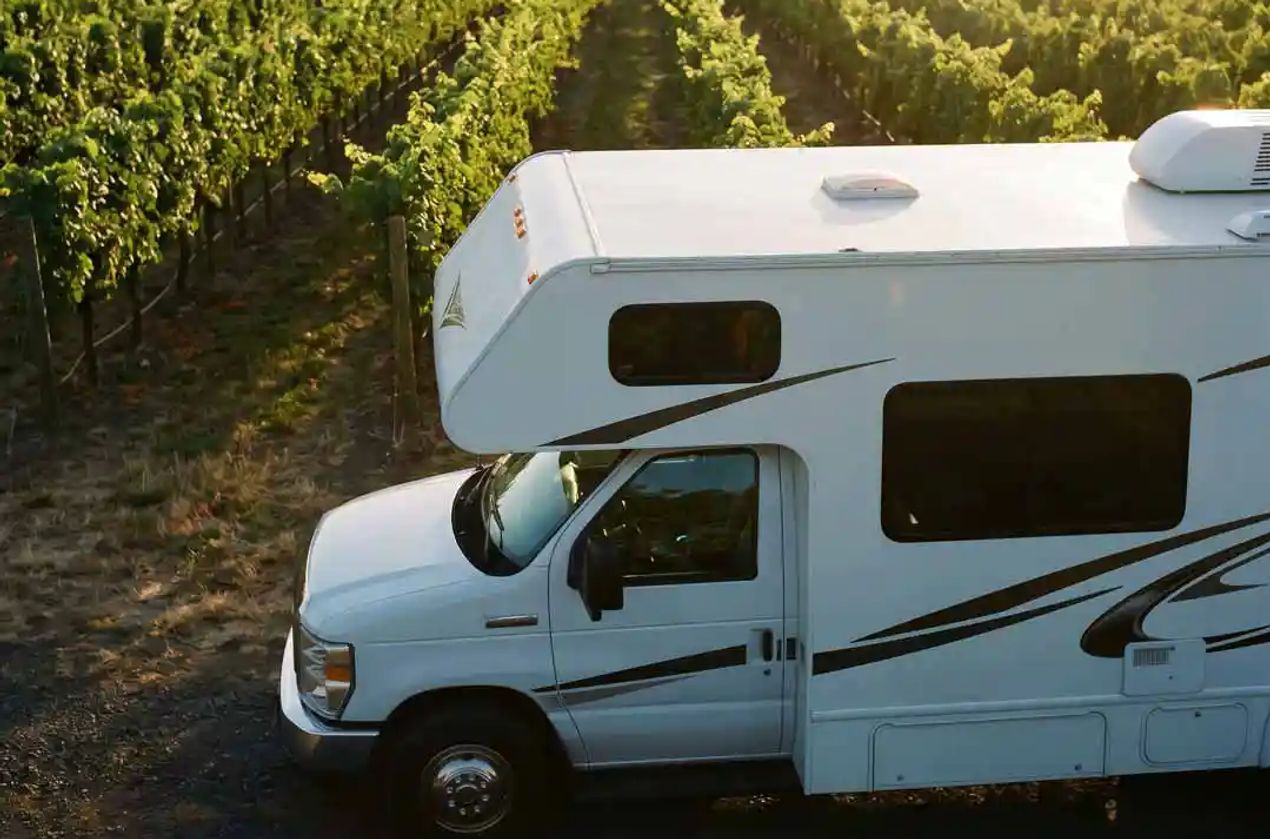
Hey there, fellow road warrior! Can you feel it? That warm breeze is starting to roll in, and the open road is calling your name. But before you load up the fridge and point your grill toward a scenic vineyard or a quiet farm stay, we need to make sure your home-on-wheels is as ready for the heat as you are.
The RV community keeps growing. According to the RV Industry Association, U.S. manufacturers shipped 342,220 new RVs in 2025 — the second straight year of growth — and an estimated 44 million Americans hit the road in an RV last summer. With that many rigs out there and a relatively fixed supply of traditional campgrounds, weekends fill up fast. That's why we love the CurbNTurf community — it opens up thousands of unique driveways, orchards, and private lands so you never have to worry about a "No Vacancy" sign. But a unique destination deserves a reliable ride.
Let's walk through the "Big Four" of summer prep: Tires, Roof, AC, and Slides.
1. Give Your Tires Some Love
Your tires are the only thing between you and the highway, and summer heat is their biggest enemy. Underinflation is the leading cause of RV tire blowouts because under-pressured tires flex more, generate heat, and can fail catastrophically. At just 25% underinflation, your blowout risk doubles.
- Check the pressure cold. Air expands as tires warm up — roughly 1 PSI of pressure shift for every 10°F change in temperature. Always check PSI before you start driving, ideally first thing in the morning after the tires have been parked for at least two hours. Inflate to the spec for your actual loaded weight (from the tire manufacturer's load/inflation table), not just the maximum number stamped on the sidewall.
- Inspect for dry rot and age. RV tires often "time out" before they wear out. Most manufacturers recommend replacing RV tires at 5 to 6 years from the DOT manufacture date, regardless of how much tread is left. Find the four-digit DOT code on the sidewall (the last four digits = week and year of manufacture) and check for cracks where the tread meets the sidewall.
- Don't forget the spare. It lives a hard life under the rig getting baked by road heat. Check it the same way you check the rest.
- Consider a TPMS. A Tire Pressure Monitoring System tracks pressure and temperature in real time. Set the high-temp alert around 158°F — that gives you time to pull over before a tire reaches the 200°F breakdown zone where blowouts happen.
2. The Roof: Your First Line of Defense
A summer thunderstorm can turn a cozy night into a soggy mess if your seals aren't tight. Most RV manufacturers recommend a roof inspection at least twice a year, and self-leveling lap sealant (the white goop around your vents and antennas) typically needs touch-ups every 6 to 12 months.
- The "Hands and Knees" Test. Get up there (safely — use a sturdy ladder and check your roof's weight rating first) and inspect the sealant around vents, fans, skylights, and antennas. Look for cracks, peeling edges, or spots where the sealant has pulled away from the seam. A small tube of Dicor self-leveling lap sealant costs under $15 and can save thousands in water-damage repairs.
- Know your roof type. Most RVs have either an EPDM or TPO rubber membrane, and the cleaners safe for each are different. Avoid petroleum-based products and citrus cleaners on EPDM — they break the rubber down. A mild dish soap and water mix is safe for both.
- Clean the gunk. Wash off the winter grime. Bird droppings, pine sap, and tree pollen aren't just ugly — the acids in them actually degrade your roof membrane over time.
3. Keep Your Cool (Literally)
If you're heading to a sunny spot, your air conditioning is your best friend. A typical RV rooftop AC pulls between 13,500 and 15,000 BTUs, and even small efficiency losses turn into big comfort losses when it's 100°F outside.
- Clean the filters every two to four weeks of use. Pull the indoor return-air filters and wash them with warm, soapy water. Let them dry completely before reinstalling. Dirty filters force the unit to work harder, raise your power draw, and shorten compressor life.
- Clear the coils. Head back up to the roof, pop the AC shroud, and gently clean the condenser coils with a soft brush or low-pressure water. Wasp nests, cottonwood fluff, and dust mats are common culprits. Straighten any bent aluminum fins with a fin comb — bent fins block airflow and tank your efficiency.
- Test it before you leave. Run the AC on full cold for 15–20 minutes and measure the temperature drop between the return air and the supply vent. A healthy unit should produce a delta of about 18–22°F. Anything less and it's time for a service visit before your trip — not during it.
4. Smooth Moves with Your Slides
Slides give you that wonderful extra living space, but they're also one of the most common sources of expensive RV repairs. Sun, dust, and dried-out seals are the main villains.
- Seal care. Use a rubber seal conditioner (303 Aerospace Protectant and Thetford Premium RV Slide-Out Rubber Seal Conditioner are popular picks) every three to six months. UV exposure makes seals brittle, and brittle seals stick to the roof — which can tear them off the next time you retract.
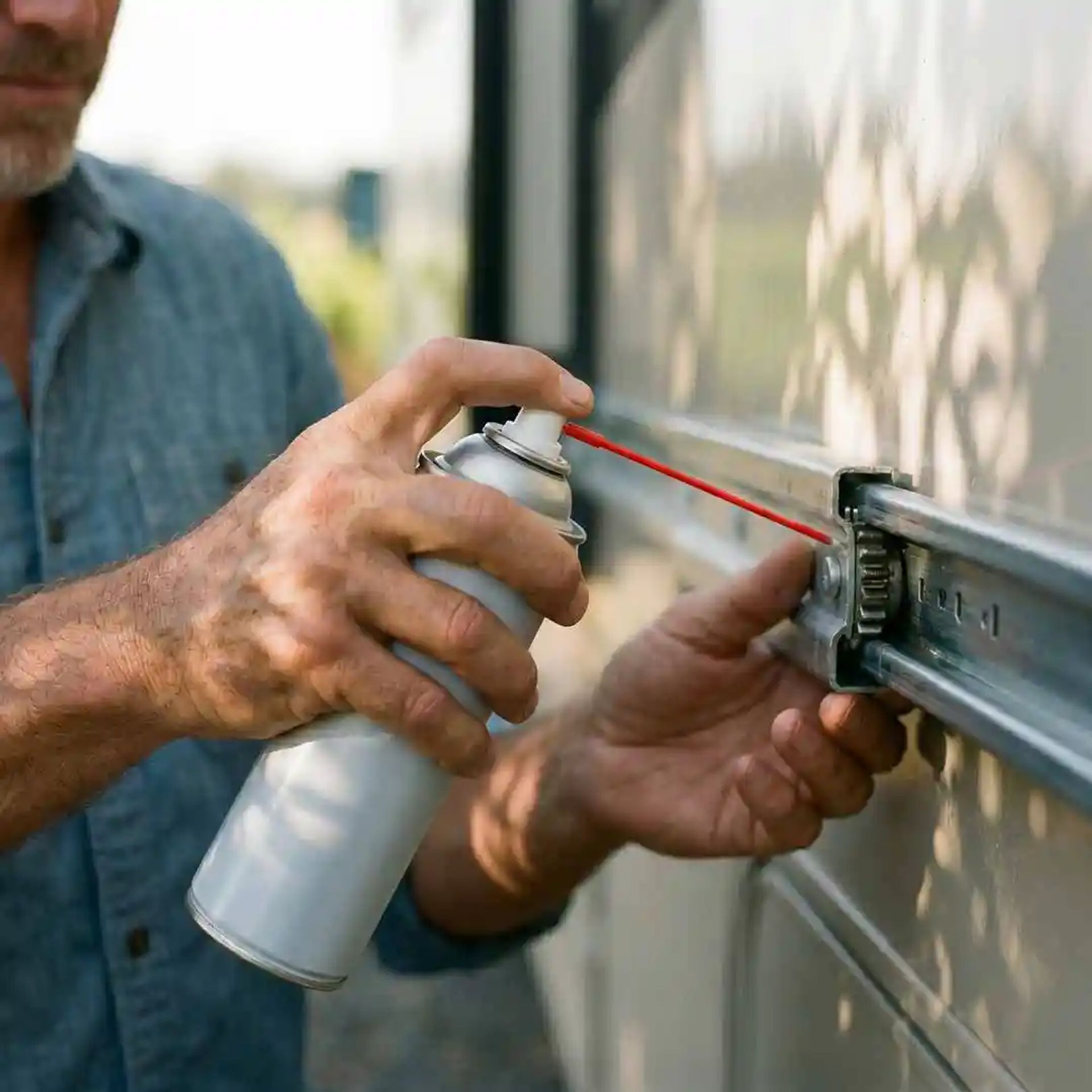
- Lubricate the tracks and gears. A dry silicone or PTFE-based lubricant is best on most slide mechanisms — wet lubricants attract dirt and grit that grinds away at the gears. Skip WD-40 on the rails; it's a cleaner, not a long-term lubricant.
- Watch how it moves. Listen for grinding, hesitation, or uneven travel. Catching a misalignment early is a $50 adjustment; catching it after the motor burns out is a $1,500 repair.

The "First Trip" Lesson: A Quick Story
Last summer, a traveler named Mike was heading to a beautiful vineyard host in Idaho. He skipped his AC check, thinking the mountain air would be enough. When he arrived, a record-breaking heatwave hit. Instead of enjoying local wine at sunset, he spent the afternoon sweating and trying to find a mobile RV tech — who was booked solid because everyone else's neglected AC was failing too. A 10-minute filter clean at home would have saved his whole weekend. Don't be like Mike — prep first, play later.
Key Takeaways for a Stress-Free Summer
Ready to Find Your Next Favorite Spot?
Now that your rig is in tip-top shape, where are you headed? Whether you want to wake up overlooking a quiet pasture or need a convenient "curb" in the city for a quick overnight, CurbNTurf has you covered. Our platform connects you with verified hosts and secure payments, so all you have to focus on is the adventure.
Explore Unique Stays Near You!
