



Room to Roam is your guide to RV travel adventures off the beaten path. Learn how to turn your land into a money-making opportunity by hosting RVers seeking unique, off-grid escapes. Get tips on RV hosting, chat with fellow hosts and RVers, and discover the latest on RV life from the CurbNTurf community.
Popular articles

FREE TO DOWNLOAD, FREE TO USE.


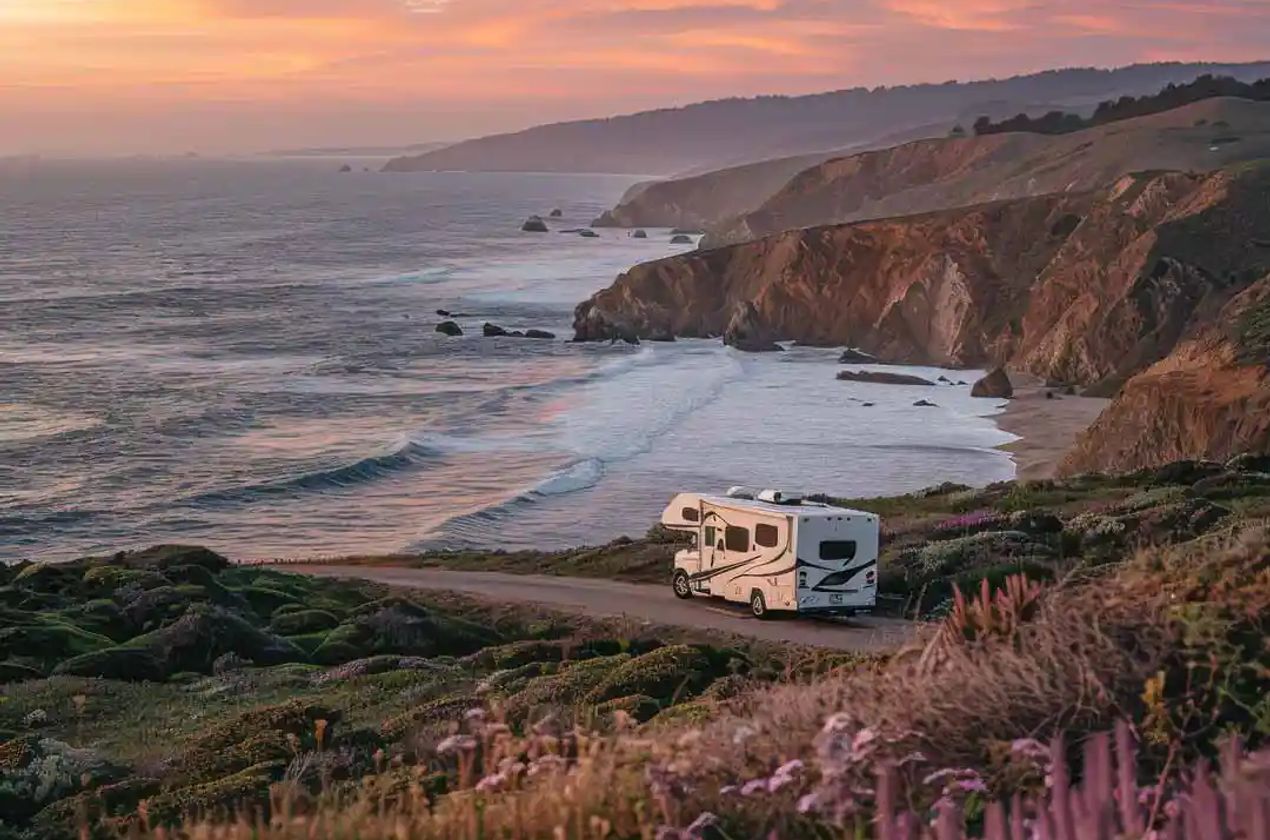
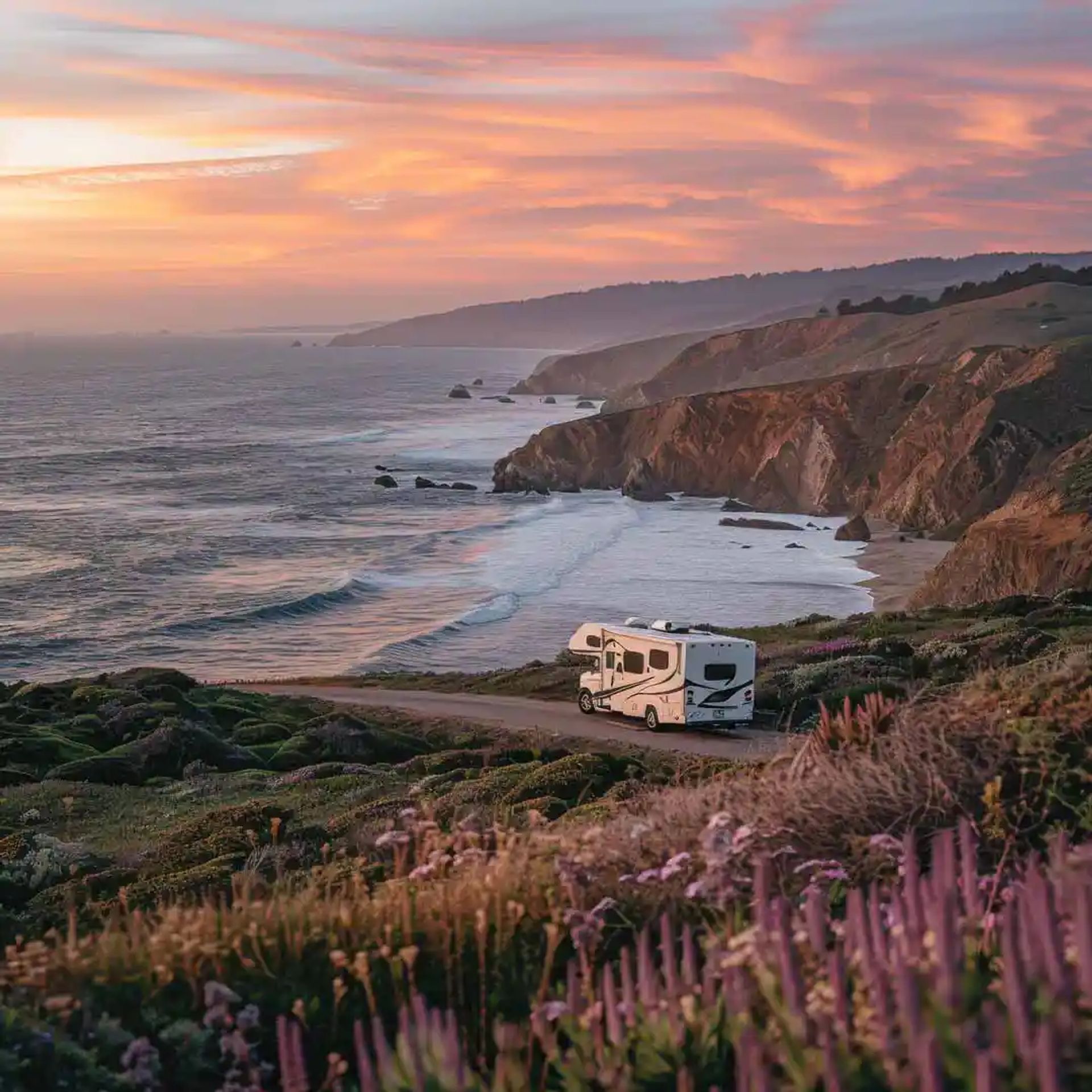
Did you know the golden hour (just after sunrise or before sunset) is a photographer’s best friend? This soft warm light can turn ordinary into extraordinary, making it the perfect time for RVers and photography enthusiasts to capture nature.
RVing is a combination of comfort and adventure for those who love outdoor photography. It’s not just about the photos but the thrill of exploring. You can go to national parks and scenic areas and the RV allows you to find hidden gems and find the perfect spot for your photos. The adventure is real and the possibilities are endless.
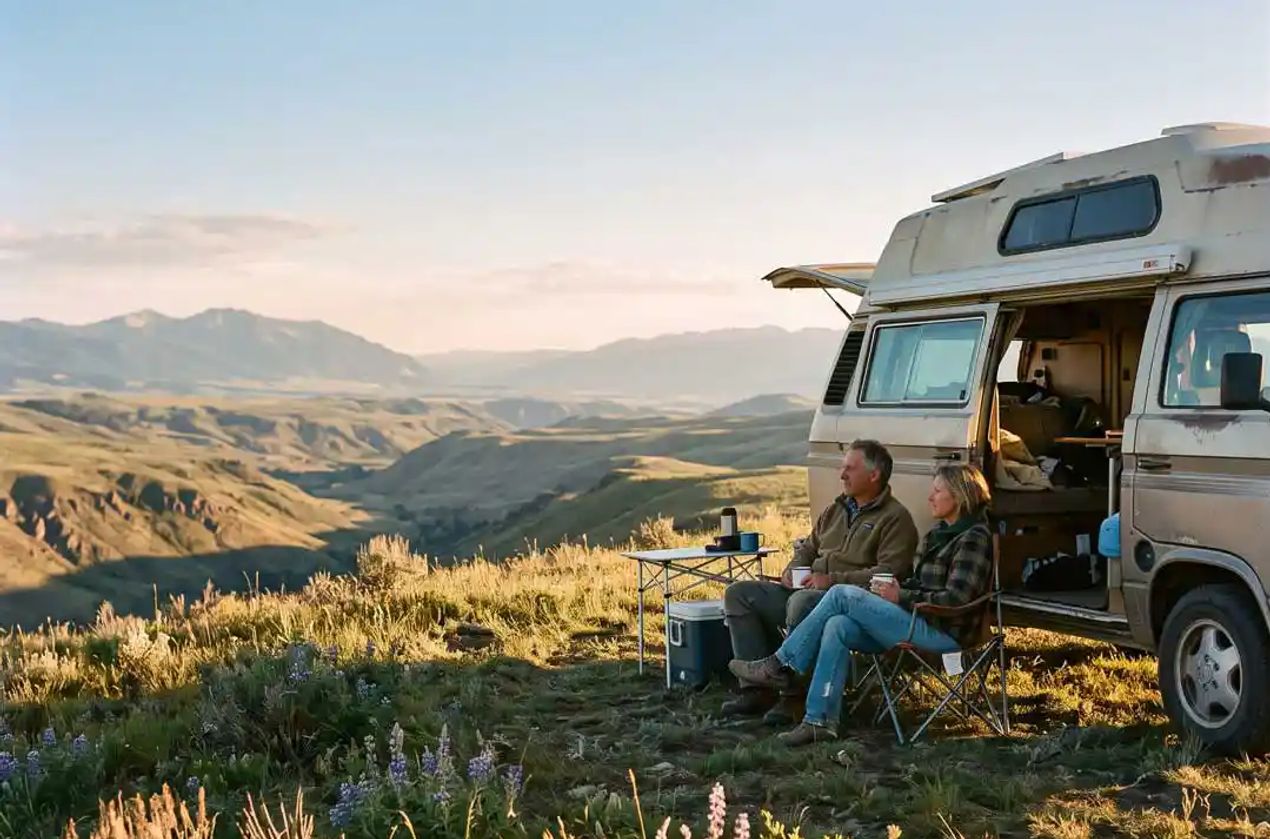
Being in the midst of nature can be a game changer for your photography. RV camping lets you see misty lakes at dawn and starry skies at night. This up close and personal experience not only improves your photos but also deepens your connection with nature and inspires you to capture it in your own way.
Key Points
- Golden hour is key to great landscape shots
- RVs give photographers access to remote areas
- National parks have many settings for nature photography
- Being close to scenic views means optimal lighting
- RVing is great for outdoor adventure photography
- Immersion leads to unique nature landscape compositions
RV Photography Gear
Going on an RV photography adventure requires the right gear. You’ll want to capture landscapes and wildlife and having the right RV photography gear will make your photos better. With the right equipment you’ll feel prepared and confident to capture the world around you.
Choosing Your Camera Gear
Think about your skill level and budget when choosing a camera. DSLR cameras like the Canon EOS Rebel T6 are versatile and can change lenses. A GoPro under $500 is great for fast action and underwater shots. And remember some of the best photos are taken with a smartphone!
Essentials for Landscape Photography
A wide angle lens is key for big landscapes. Use it with a tripod for sharp photos especially in the dark. Also don’t forget:
- Rain covers and lens hoods
- Waterproof backpack
- Extra batteries and memory cards
- Camera-cleaning kit
- Handheld GPS device
Wildlife Photography on the Road
Setting up Your Mobile Photography Studio
Turn your RV into a mobile studio with these:
- Portable power station: Choose from Jackery’s Solar Generator series based on your needs and trip length.
- Editing workspace: Create a comfy spot to review and edit your photos.
- Storage solutions: Organize your gear with special places for everything.
Remember RV photography means taking many photos to find a few good ones. Try different camera settings and shots to get better. Join mobile photography workshops to learn from pros and improve your skills on the road.

Planning Your RV Photography Road Trip
RVing lets you see the world in a new way. You can drive scenic byways and national parks, perfect for taking great photos.
Choosing the Right RV Sites for Photography
When it comes to photography having the right RV site can make all the difference. Look for sites with easy access to hiking trails, scenic views and plenty of natural light. Consider sites with sewer hookups so you have a comfortable and convenient place to stay while you’re out capturing images. Some RV resorts like KOA have sites with great views and amenities for photographers. When choosing an RV site think about the type of photography you want to do and what you need to make it happen.
Selecting Scenic Destinations and Routes
Look for places that show off America’s beauty. Yellowstone National Park in Wyoming is great for photos. It has foxes, wolves and black bears.
Try Antelope Canyon in Arizona or Lake Tahoe between California and Nevada for unique views.
Scenic Hiking Trails for Photography
Researching Photogenic Locations Along the Way
Plan your route to find the best photo spots. Look for hidden gems that have special views. National park tours can help you find the best places to shoot.
Leave room for surprises too. Sometimes the best photos come from unexpected places.
Understanding the history of the camera obscura and the dark chamber will add to your appreciation of photogenic locations. The camera obscura was the precursor to modern photography. It was a dark chamber where images from outside were projected onto a surface. Giambattista della Porta and Nicéphore Niépce used the camera obscura in their experiments and developed early photographic techniques. This historical context will help you connect with the art of photography and inspire you to go out and find unique photo spots.
Timing Your Trip for Best Light
Light is everything in photography. Try to be at your spots during the golden hour when the light is soft and warm.
Think about the season too. Fall colors will pop your photos, winter will create magical scenes. Always check the weather before you go. It can change your photos a lot.
You don’t need a fancy camera or a phone with lenses. What matters most is your eye for photography. Have fun on your RV adventure!
RV Camping and Photography: Landscapes
RVing lets you see the world in a new way. You can shoot mountains, forests and more. It’s all about skill, patience and the right tools. Remember to respect nature and wildlife when capturing these landscapes. Keep a safe distance, don’t disturb the environment and leave no trace of your visit.
Getting the shot means knowing when to take it. Early morning and late evening are best for coastal and desert shots. A tripod will help keep your camera steady in the dark. Also bring extra batteries and memory cards so you don’t miss a shot.
Try different angles to make your photos unique. Use paths or trees to lead the eye into your shot. This works great for forest and waterfall shots.
"The best camera is the one you have with you." - Chase Jarvis
Good gear helps but your eye is what makes a photo great. Use the rule of thirds and add something in front to make your photos deep.
Now go out and shoot!
Wildlife Photography
Wildlife photography is a fun and rewarding genre that requires patience, skill and practice. To capture great wildlife images you need to understand the behavior and habitat of your subject. Research the best locations and times to shoot the wildlife you want to photograph and be prepared to wait hours for the shot. Wildlife photography often requires long exposures and a deep understanding of your camera settings.
Shooting Wildlife
When shooting wildlife approach quietly and calmly so you don’t spook them. Keep a safe distance and use a telephoto lens to get up close without disturbing your subject. Be patient and wait for the animal to get used to your presence before you take a shot. Consider a camera with fast shutter speed and good low light performance to capture sharp images of wildlife in motion.
Wildlife in Motion
Shooting wildlife in motion is a combination of skill, practice and the right gear. Use fast shutter speed and a wide aperture to freeze the action and create drama. Consider a camera with good autofocus and burst mode to shoot multiple frames in quick succession. Pay attention to the lighting and composition of your shot and be prepared to try different things to get the look you want.
RV Photography Post Processing
Nature Photography Composition
Nature photography is more than just taking pictures. It’s about mastering composition to capture the viewer’s heart. Let’s dive in and learn some techniques to take your RV camping photography to the next level.
Leading Lines in Landscapes
Leading lines are powerful in landscape photography. They lead the viewer’s eye and add depth and interest. The Colorado River or desert roads are used as leading lines in Ehrenberg, Arizona.
These can draw attention to focal points like distant mountains or colorful sunsets.
Adding Foreground
Adding foreground can turn a 2D image into a 3D scene. When shooting Ehrenberg’s diverse landscape, include Joshua trees or wildflowers in the foreground. This adds depth and context to your shot.
Rule of Thirds
The rule of thirds is a classic technique for nature photography. Imagine a 3x3 grid over your frame. Place important elements along those lines or at their intersections.
For example, place the horizon along the upper or lower third line when shooting lake reflections. This is more balanced and interesting than centering everything.
Remember, timing is everything in nature photography. Ehrenberg’s golden hours are the best, warm tones on the landscape. Try different angles and perspectives to reveal new aspects of your campsite.
By mastering these composition techniques you’ll be capturing the essence of outdoor photography in your RV adventures.
Post Processing and Editing
Post processing and editing are part of the photography workflow. Use Lightroom and Photoshop to adjust the colors, contrast and exposure of your images. Consider using presets and filters to give your images a consistent look. Pay attention to the important parts of your image, the focal point, composition and lighting and adjust accordingly. With practice and patience you can take your photos to the next level and produce amazing images that show off your skills.
Frequently Asked Questions
What camera gear do I need for RV photography?
For RV photography you need a good DSLR or mirrorless camera with interchangeable lenses, like a wide angle lens for wide shots. A tripod helps with steady shots, especially in dark places.
Remember, extra batteries, memory cards and filters for better landscape shots.
How do I set up a mobile photography studio in an RV?
To set up a mobile studio in an RV make a space for editing and storing gear. Binoculars are great for spotting wildlife and finding good spots.
What to consider when planning an RV photography trip?
When planning your RV trip, choose places with great views. Look for national parks, beaches or mountains. Find scenic routes and byways for unique shots.
Choose places for wildlife and plan for the best light. Think about the season and weather to get the best images.
How do I capture landscapes while RV camping?
Watch how the light changes the scene for great landscape shots. Try different views and use lines to lead the eye. Capture the essence of each place, from big mountains to small forests.
Include your RV in some shots to show your adventure.
What composition to master for nature photography?
Learn composition to make great nature shots. Use lines to lead the eye and add depth with foregrounds. Rule of thirds for balance.
Try different views and use reflections or interesting rocks as focal points. Some of your shots are of the RV life.
