



Room to Roam is your guide to RV travel adventures off the beaten path. Learn how to turn your land into a money-making opportunity by hosting RVers seeking unique, off-grid escapes. Get tips on RV hosting, chat with fellow hosts and RVers, and discover the latest on RV life from the CurbNTurf community.
Popular articles


FREE TO DOWNLOAD, FREE TO USE.


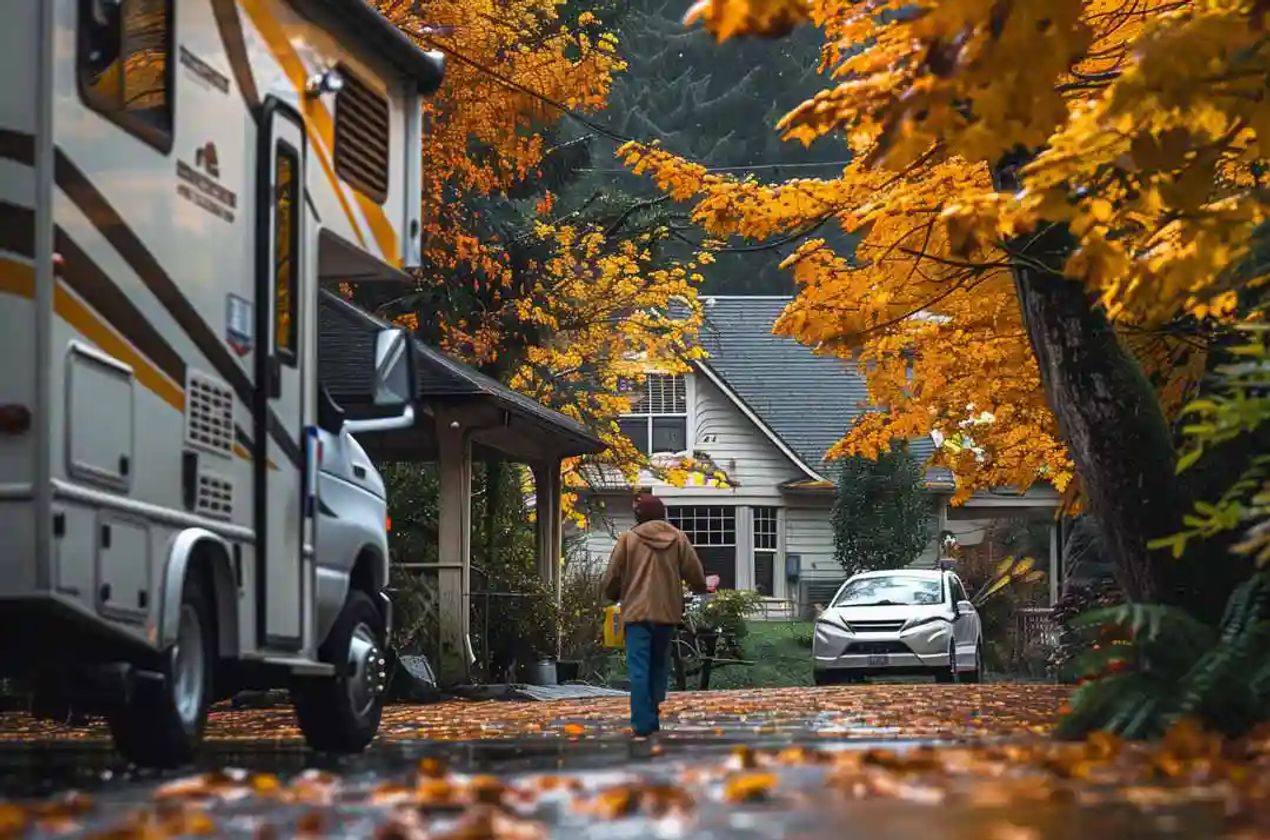
In North Carolina, fall temperatures can drop to 20 degrees in the morning and 70 degrees in the afternoon. That's a big swing. If you don't winterize your RV, you could be looking at thousands of dollars in repairs.
Winterizing your RV is more than just a phrase. It's a critical step to keep your RV safe from winter. It protects your RV's plumbing and keeps everything working right. Whether you store your RV or use it in the winter.
It's not just about staying warm. It's about keeping your RV in shape. Many RV owners clean their RVs inside and out before winter to prevent damage from the sun, mildew, and bad smells. This extra cleaning will save you time, money, and hassle come spring.
Quick Facts
- Proper winterizing prevents costly damage from freezing temps
- Winterization includes plumbing system protection and component maintenance
- 60% of RV owners do a deep clean before winter storage
- Big temperature swings mean a big need for winterization
- Winterization is for both stored and used RVs in cold weather.
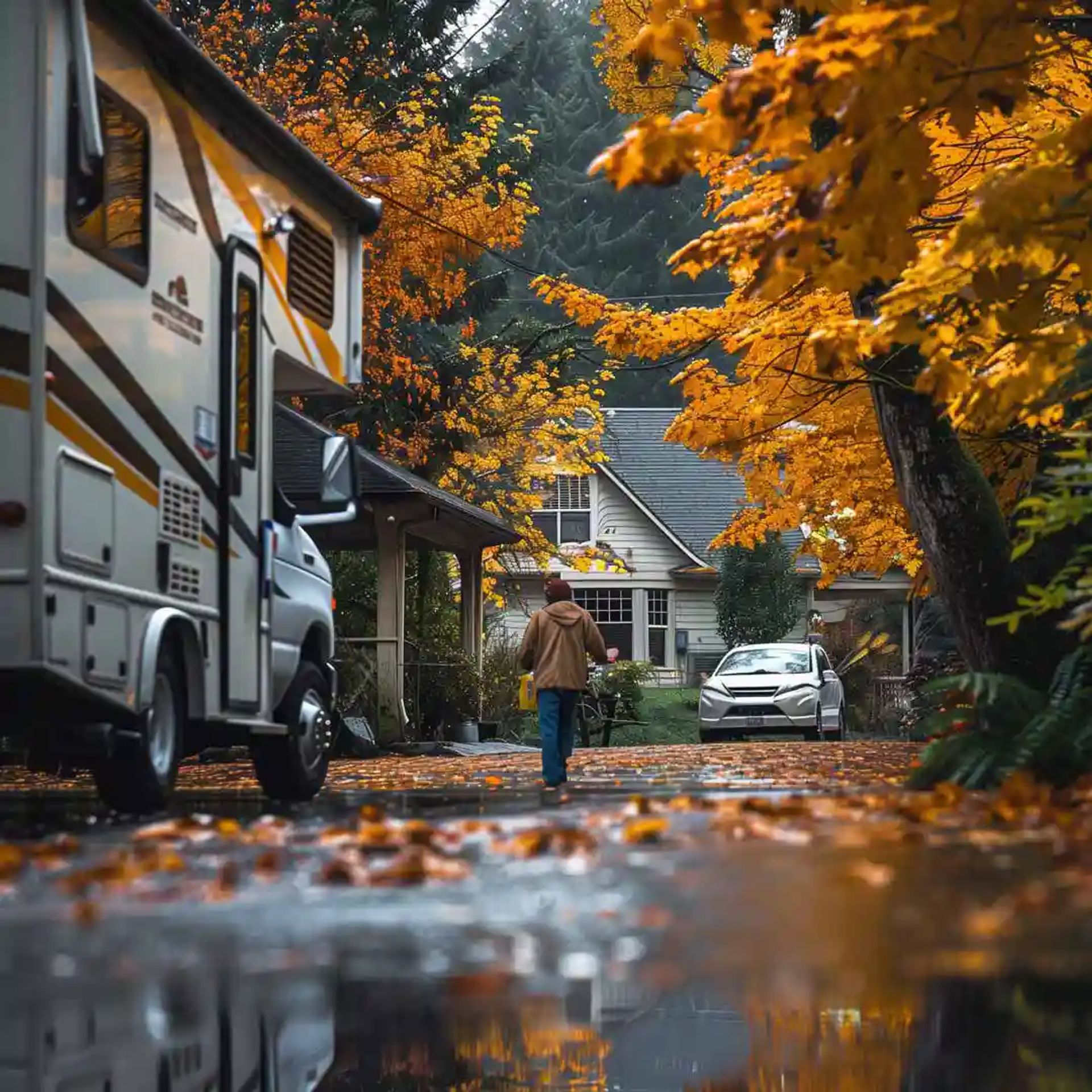
Why RV Winterization Matters
RV winterization is for owners who store their RVs in the cold months. It prevents freeze damage and protects water systems. Let's see why and what the benefits are.
Why winterize your RV
Winterizing your RV keeps it in shape, prevents damage from cold, and protects plumbing. Many RV owners travel to warmer places or winterize their RVs for storage.
What happens if you don't winterize
Not winterizing your RV can be a significant financial burden. Burst pipes, damaged appliances, and mold can lead to costly repairs, sometimes amounting to thousands of dollars. By taking the necessary winterization steps, you can avoid these expenses and keep your RV in top condition.
Benefits of winterization
Proper winterization has many perks:
- Prevents freeze damage in water systems and appliances.
- Makes your RV last longer.
- Saves you money on repairs.
- Stops moisture and mold.
- Keeps your RV's value high.
Know your RV winterization and use the proper methods and your RV will be ready for your next adventure come spring.
RV Winterizing Steps: Get Your RV Ready for Winter.
RV winterizing steps will keep your RV safe in the cold. A winterization checklist will keep your RV in shape all winter. Let's go through the main steps to get ready for winter.
First, drain all water systems, tanks, and lines to prevent freezing and damage. Then, RV antifreeze will be added to protect the plumbing. Finally, clean and dry the inside to prevent mold.
Check and replace seals and weatherstripping to keep moisture and cold air out. Don't forget the outside. Use a good RV cover to keep out snow and ice. Prepare the engine and batteries for winter storage.
Remove the batteries and store them in a warm, dry place. Make sure the engine is ready and that all fluids are at the right levels.
Always adhere to the manufacturer's guidelines when winterizing your RV. If you're unsure about any of the steps, seek professional help. By following these recommendations, you can ensure your RV is safe and sound throughout the winter, ready for your next adventure in the spring.
Protecting Your RV's Plumbing System.
It is important to keep your RV's plumbing safe during winter. Winterizing your water system will prevent costly damage and make your RV ready for spring trips.
Draining Water Tanks and Lines.
First, empty all water tanks—fresh, gray, and black. Then, open drains to drain all the water. This is important because water can freeze and burst pipes.
Using RV Antifreeze
Antifreeze is key to winterizing your RV. Add 2-3 gallons through the water intake. Pour antifreeze into the sink and shower drains. Don't forget outdoor showers or ice makers.
Bypassing the Water Heater
If you don't have a bypass kit, get one. It saves antifreeze in the tank. Kits are available at camping or hardware stores.
Winterizing your RV's water system takes ten steps. It's a small price to pay for thousands of dollars. Regular seal checks and breathable covers for storage add extra protection.
Insulation and Weatherproofing
Skirting around your RV's base is a good idea. It blocks cold air and stops tanks from freezing. Skirting can make your RV 35% warmer and reduce heating costs.
Thermal curtains are great for winter RVing. They block 99% of light and reduce heat loss by 25%. On cold days, use plastic sheeting on windows for extra warmth.
Sealing air leaks is crucial to keeping your RV weather-tight. Check doors, windows, and any openings. Use weatherstripping or caulk to seal gaps. This will make your RV 15% more efficient.
Remember moisture control. Use a dehumidifier or damp-rim containers to keep moisture down. This will prevent mold and keep your RV warm and healthy in winter.
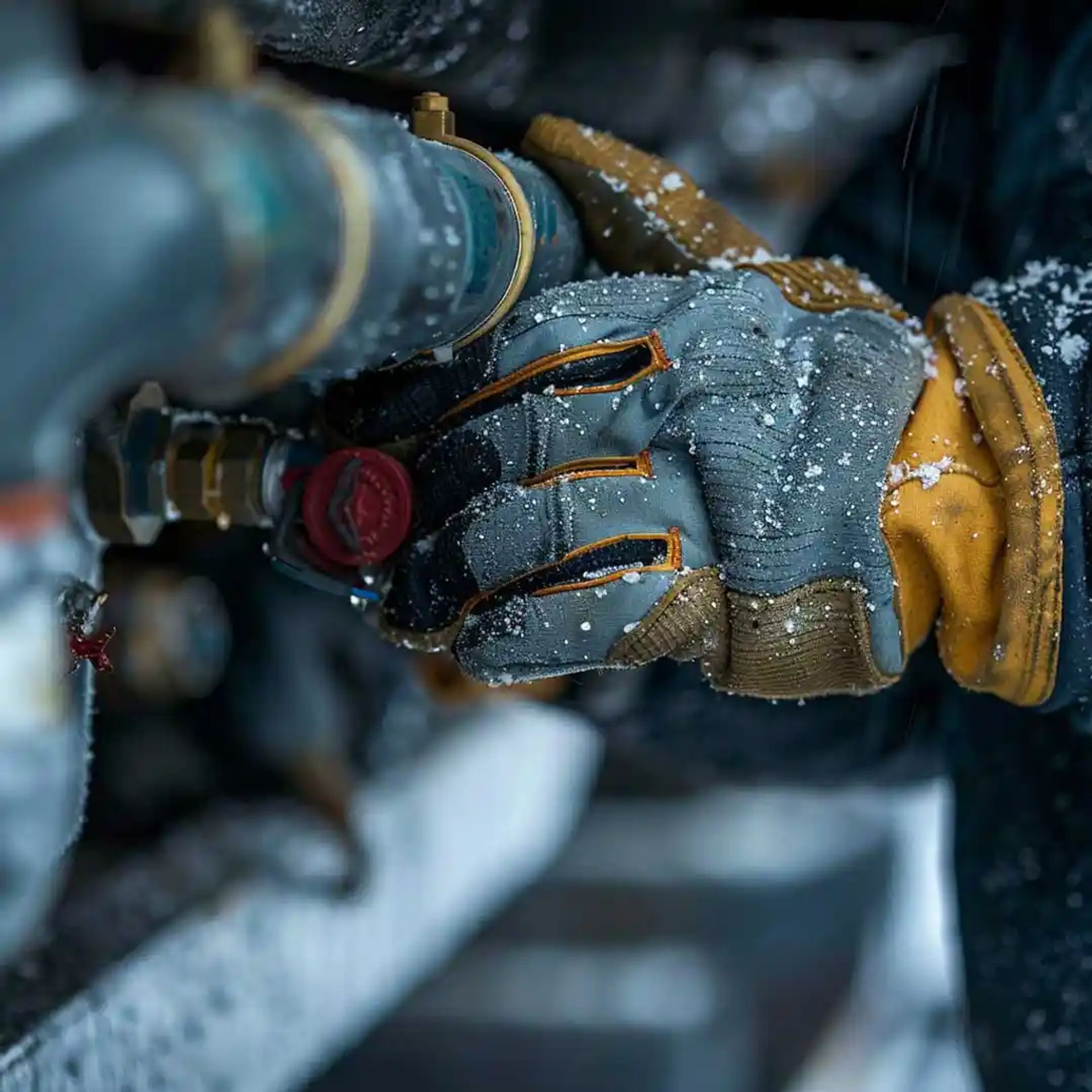
RV Systems and Components in Winter.
Winter is hard on your RV's systems, so keeping them in good shape is important. Let's take a look.
Battery and Storage
Make sure your RV's battery is good to go. Charge it fully and store it in a warm, dry place. This will prevent it from freezing and your heat from going out.
Propane System
Propane system maintenance is essential for safety and efficiency. Check for leaks and ensure the system shuts off properly. Clean the connections and check the pressure regulators. This will keep your heat working in the cold.
Tire Winterization
Protect your RV's tires. Inflate them properly and shield them from UV rays. Use covers or move the RV to avoid flat spots.
Consider using tire chains for snowy roads.
Engine Winterization
Get your RV's engine winter-ready with these:
- Change oil to protect engine components
- Check antifreeze levels and concentration
- Add fuel stabilizer to prevent problems
- Inspect belts and hoses for wear
Regular checks during storage are crucial to prevent problems and ensure your RV is ready for use in the spring. By conducting these checks, you can identify and address any issues early, saving you time and money and extending the life of your RV.
Summary
Winterizing your RV is important for every RV owner. Cold-weather RVing tips will protect your investment and get you camping again next season.
Draining water systems, using antifreeze, and maintaining components are part of the process. Whether you DIY or hire a pro, the cost is minimal. DIY can be under $100, while pros will charge $100 to $300.
This small investment will save you thousands in damage from freezing. Winterization is required when temps drop to 20 degrees or lower. You can do it yourself with the right tools and your RV manual.
Using antifreeze or compressed air winterization will extend the life of your RV and give you peace of mind during the cold months.
